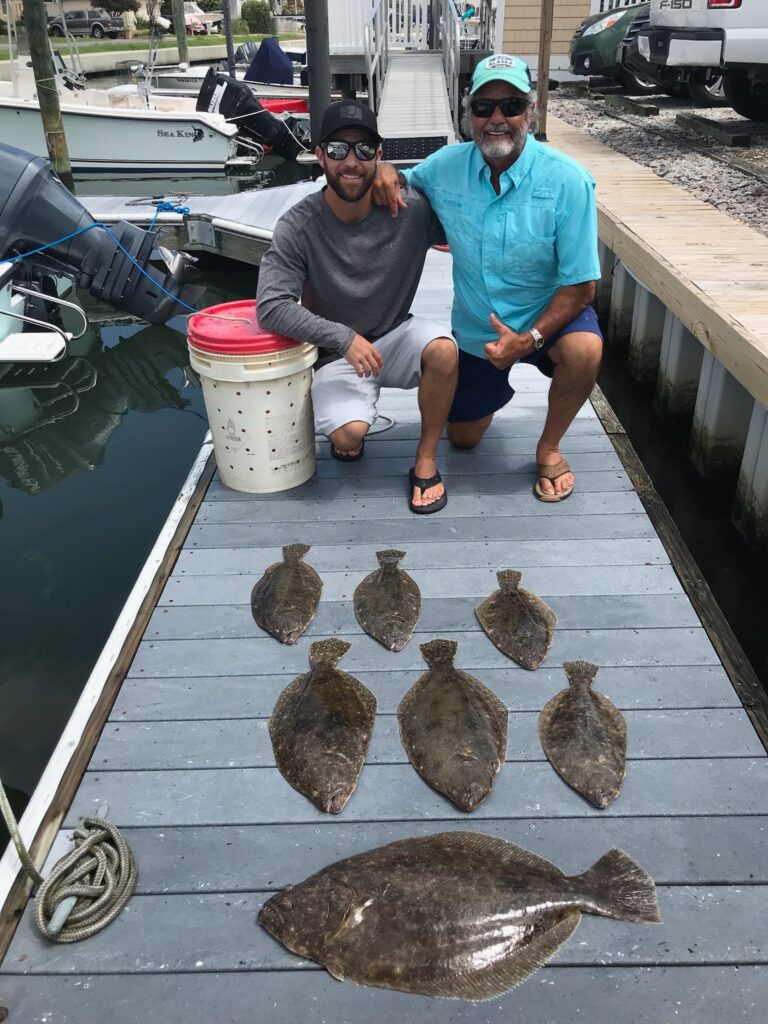
Paige II Charters
The saltwater fishing scene in Virginia is heating up as summer draws to a close. Anglers are finding a variety of species to target, both inshore and offshore. Here are some of the highlights from the latest reports.
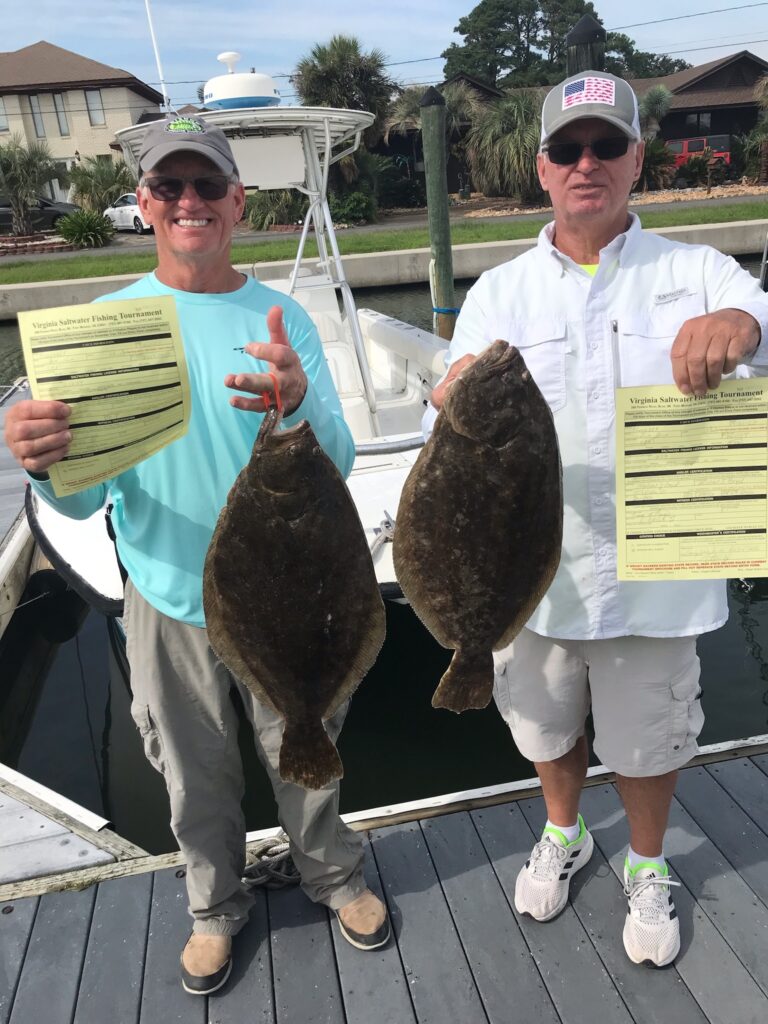
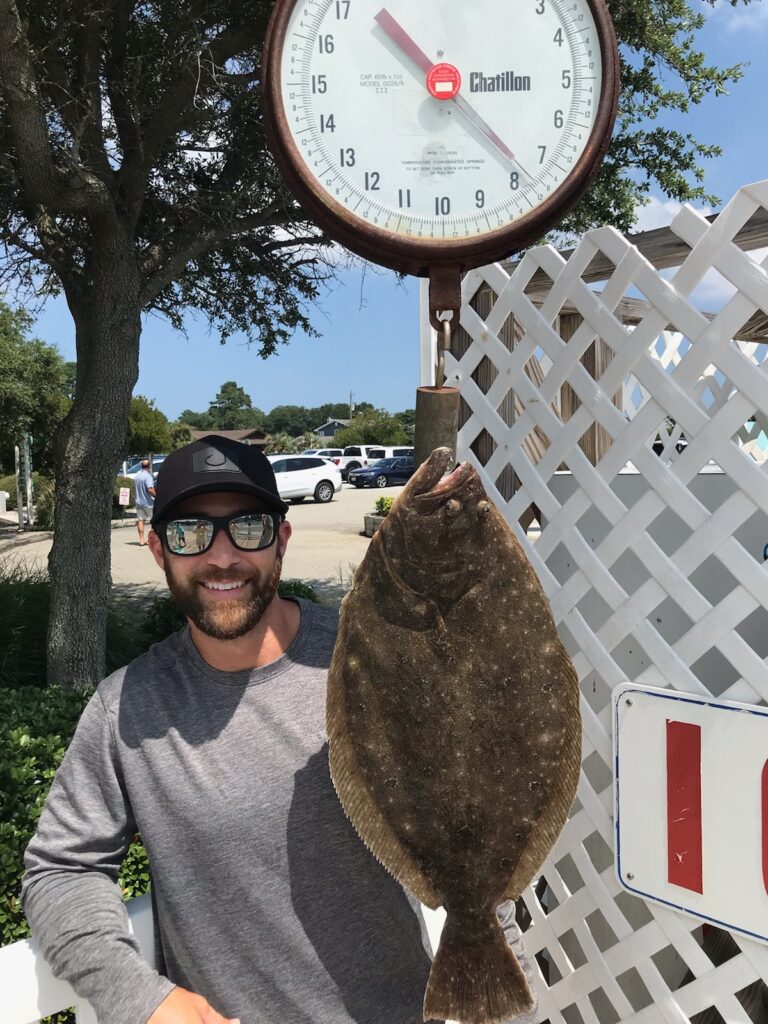
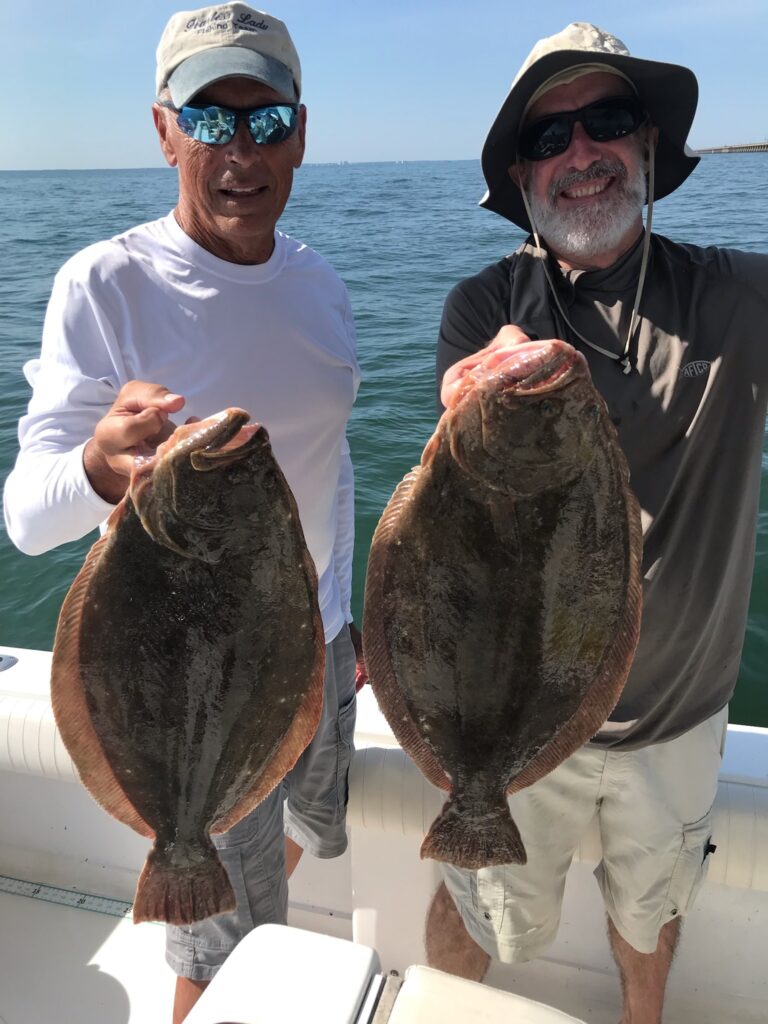
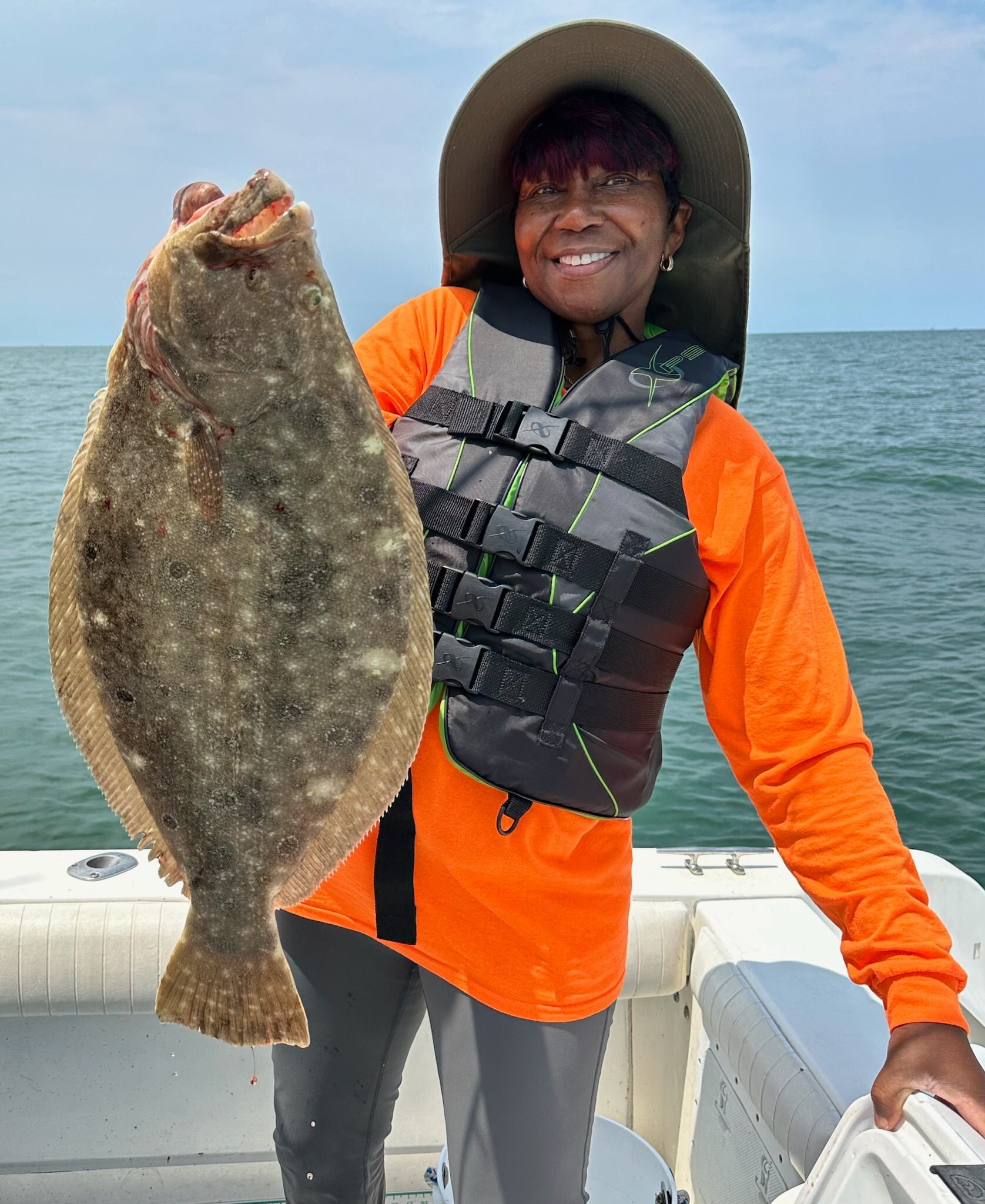
Flounder fishing has been excellent, with many fish exceeding the minimum size limit of 16.5 inches. The best areas to look for flounder are the coastal wrecks, the Chesapeake Bay Bridge-Tunnel (CBBT), and the lower bay shoals. Live bait, such as spot, croaker, or minnows, is the preferred choice for flounder.
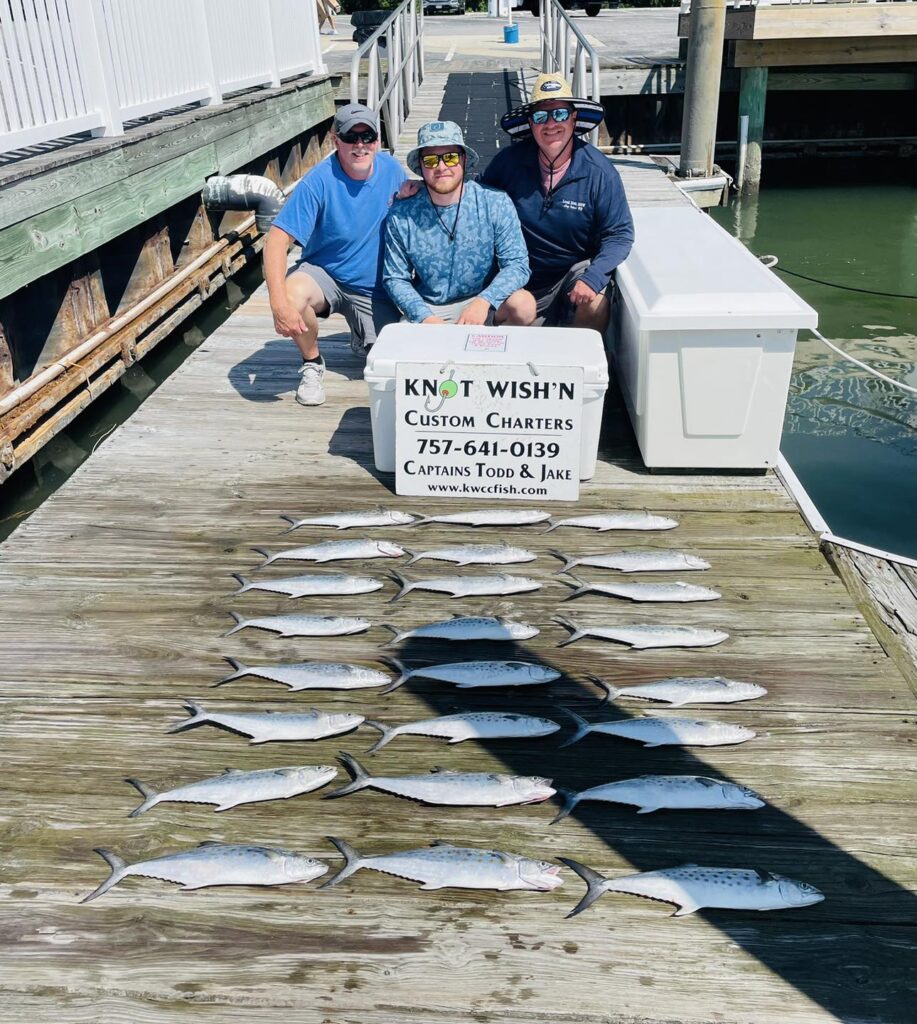
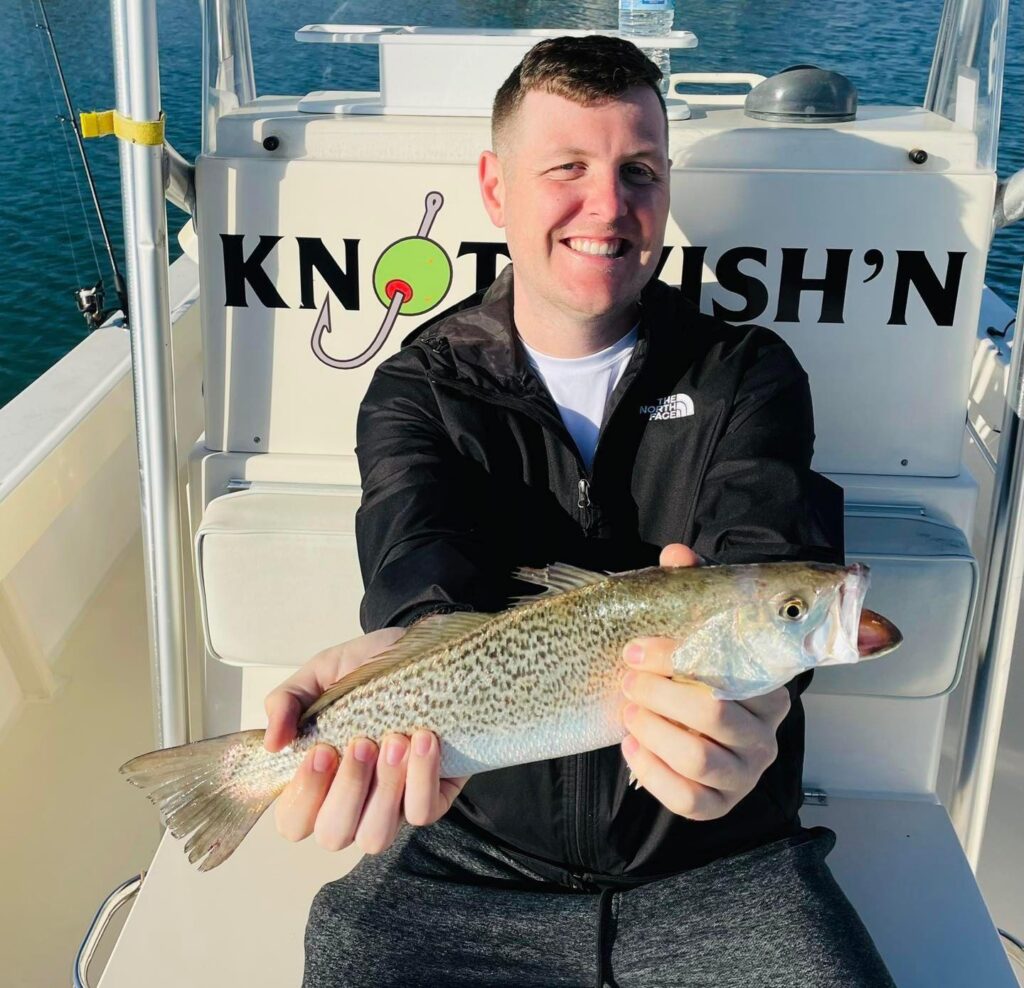
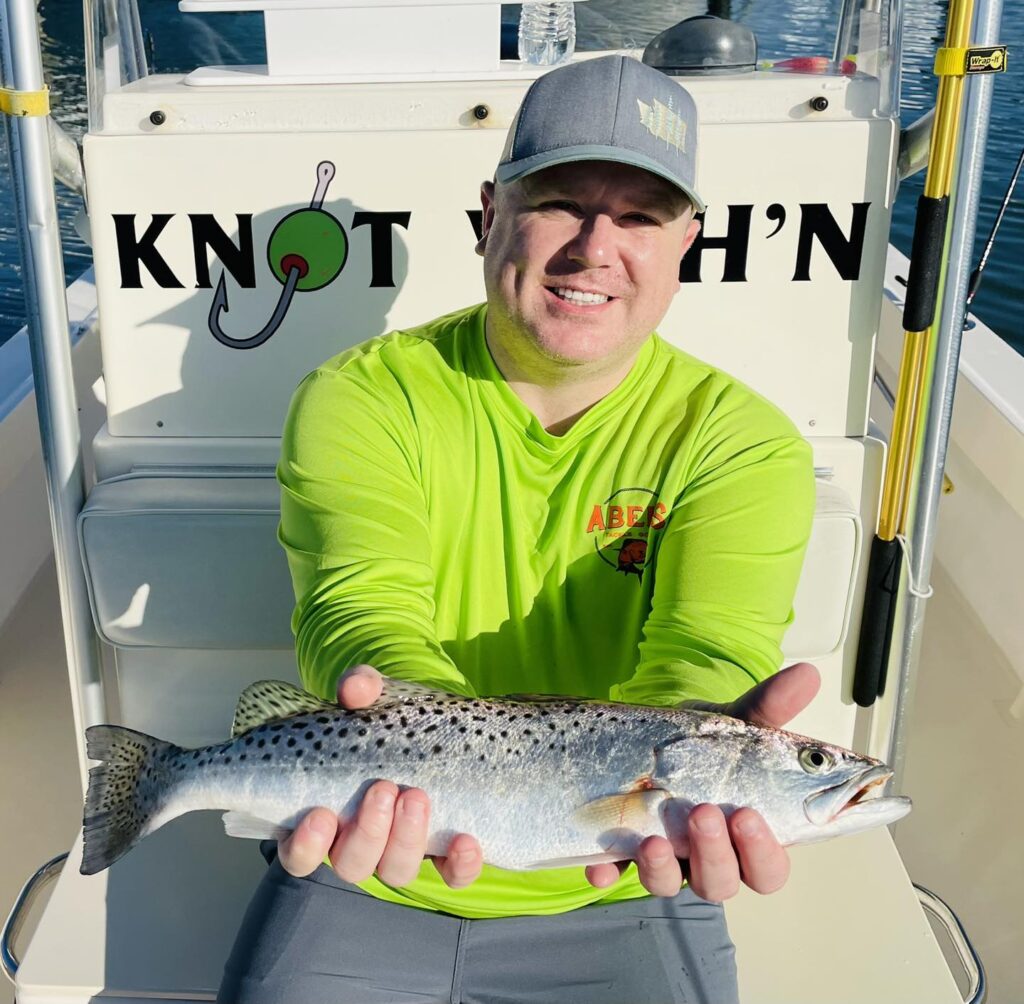
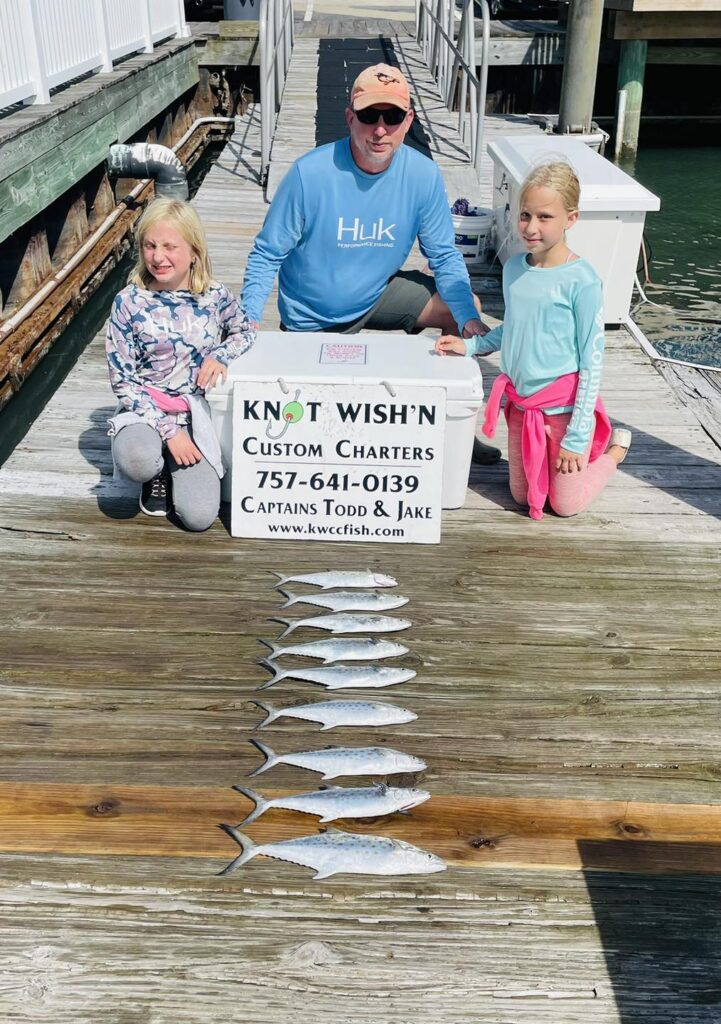
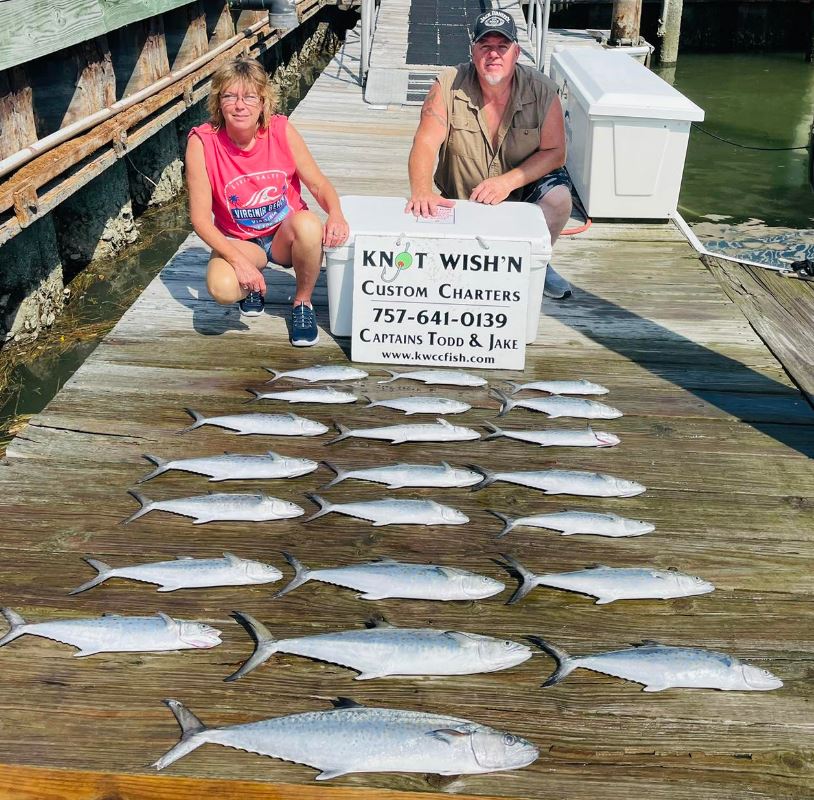
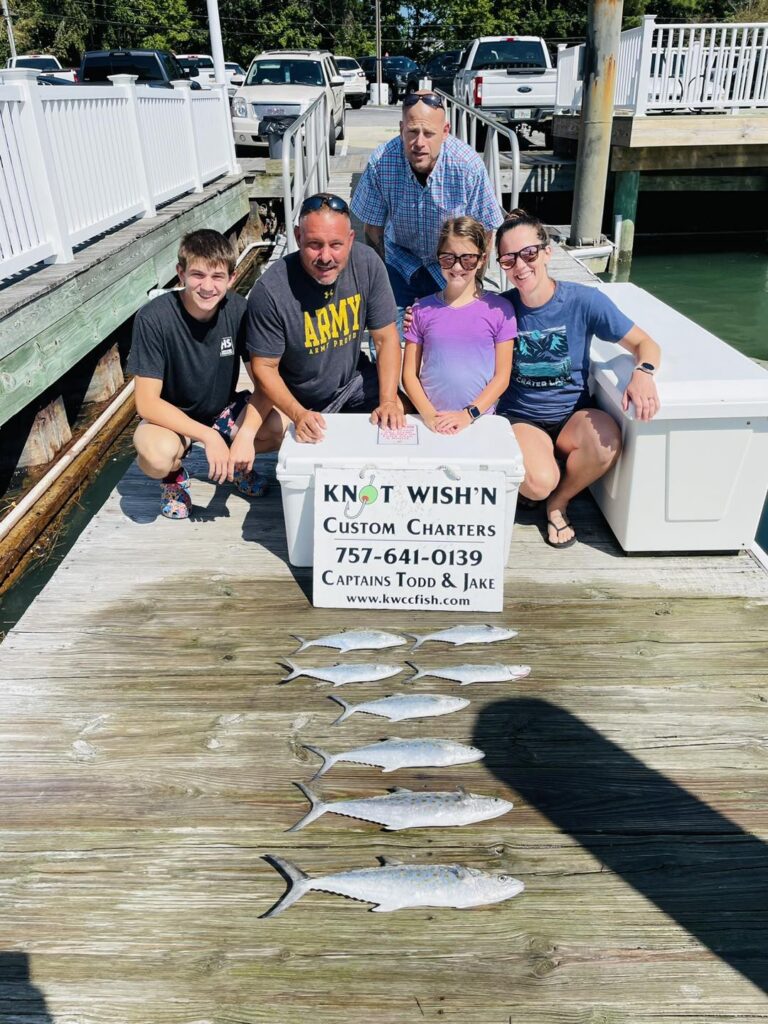
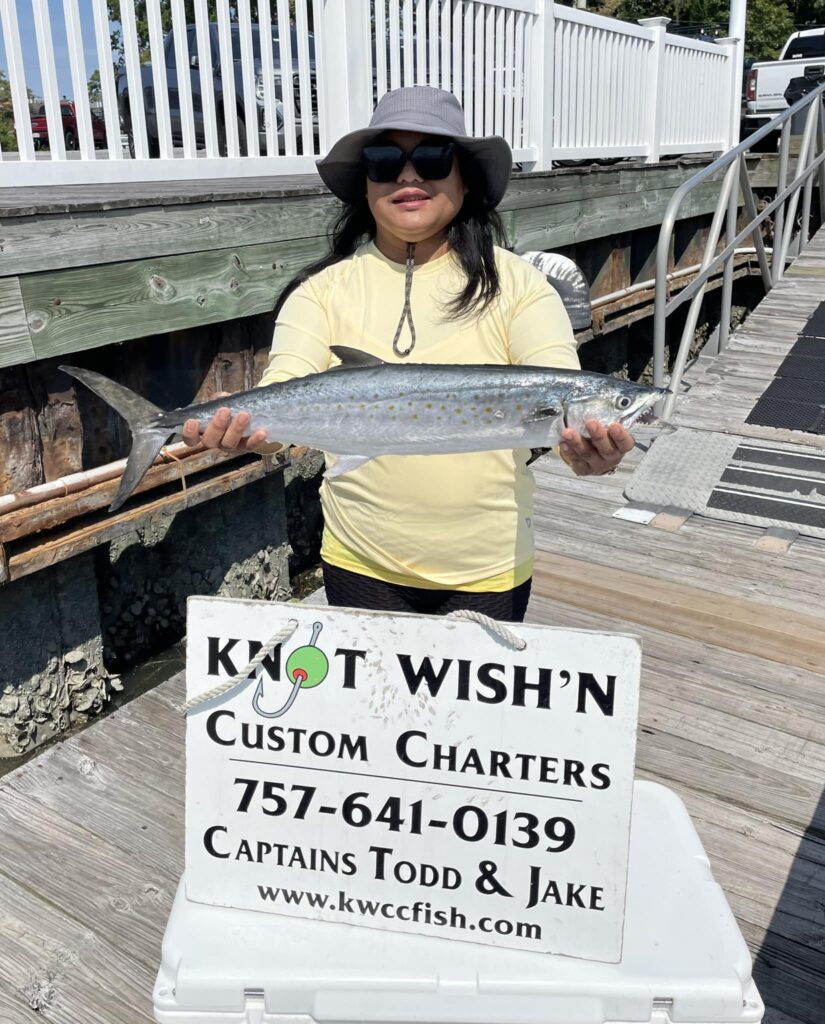
Knot Wish’n Charters
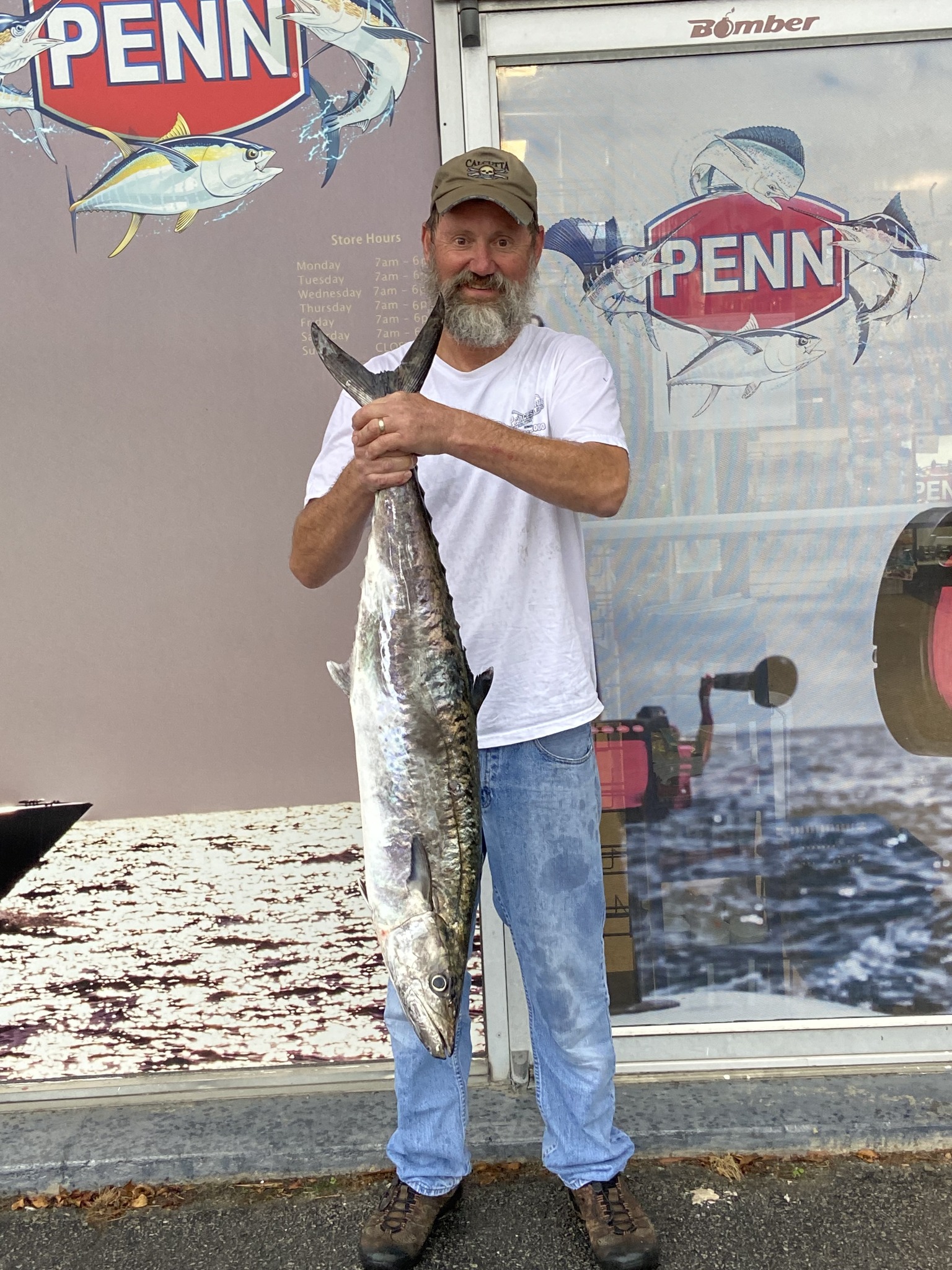
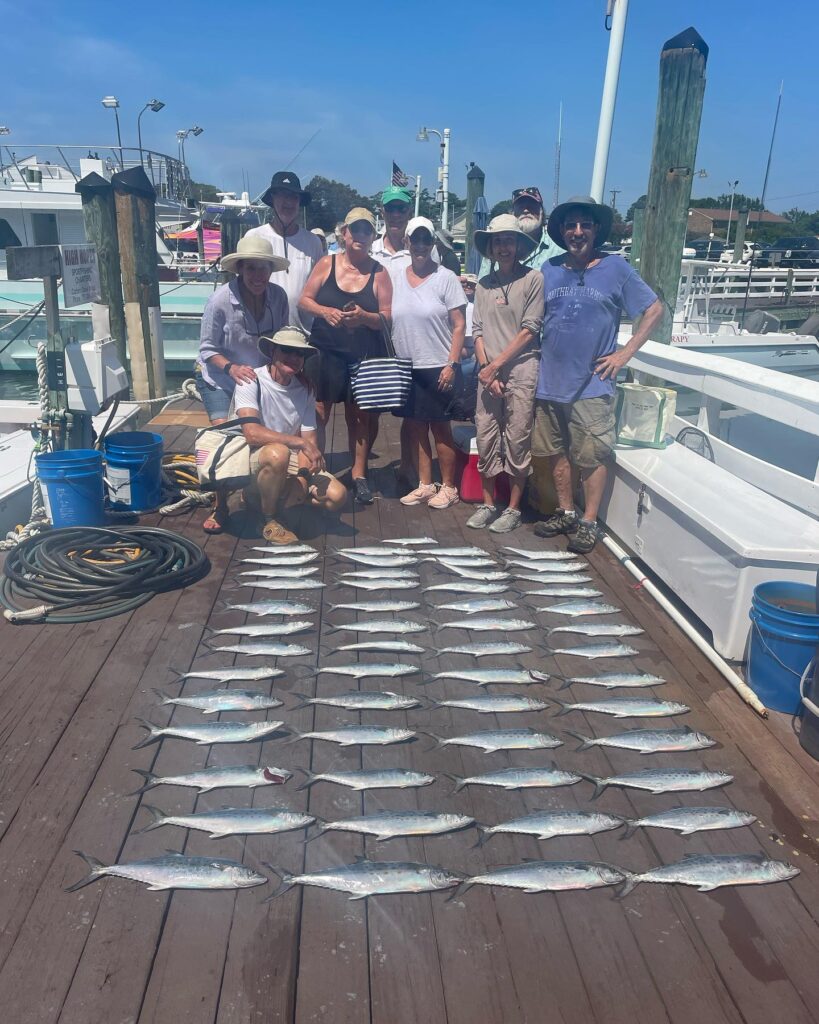
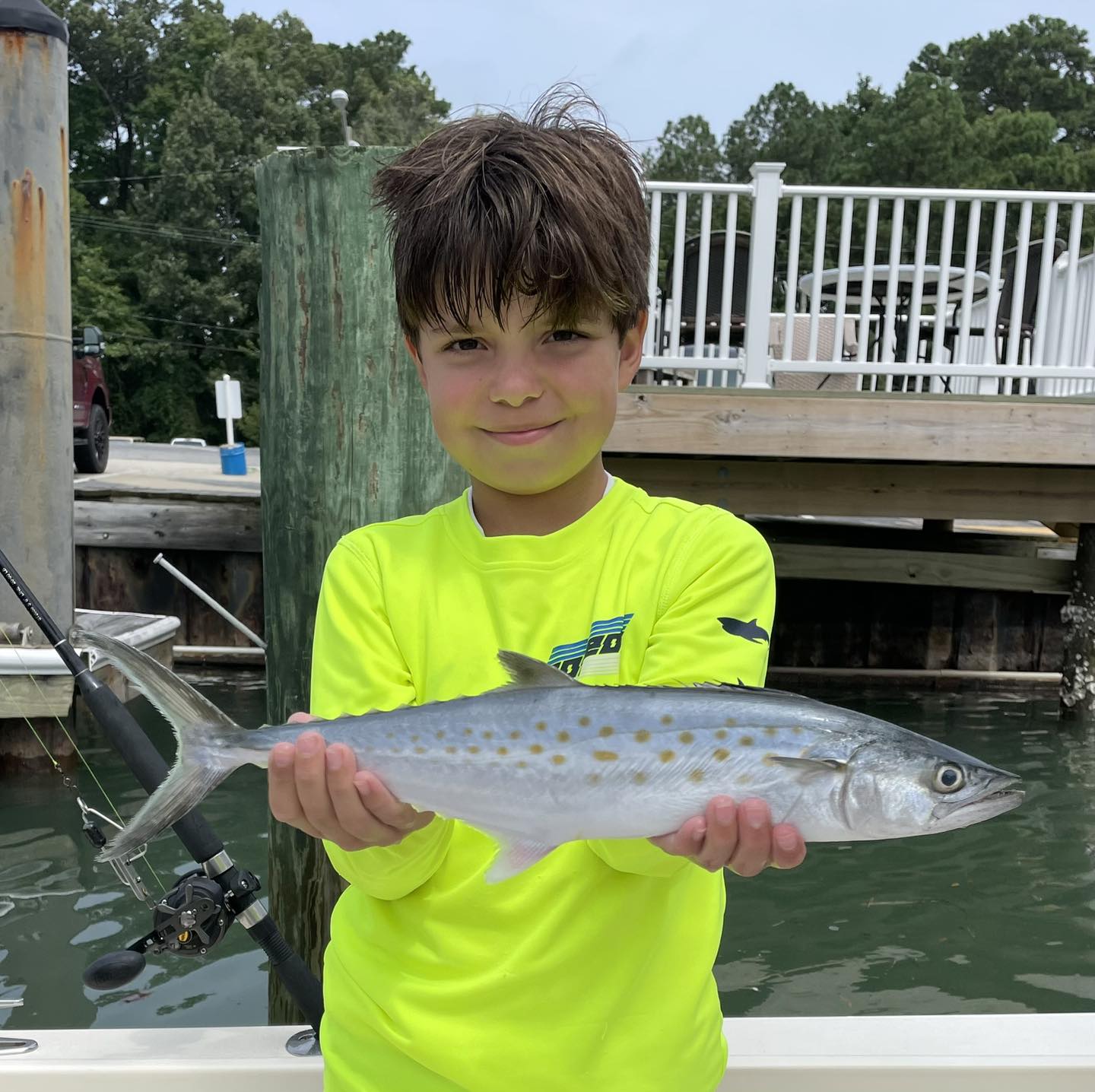
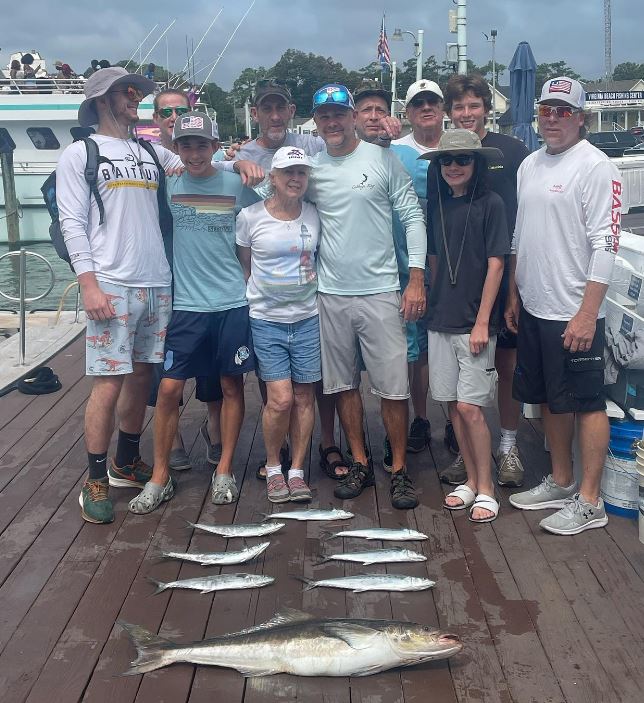
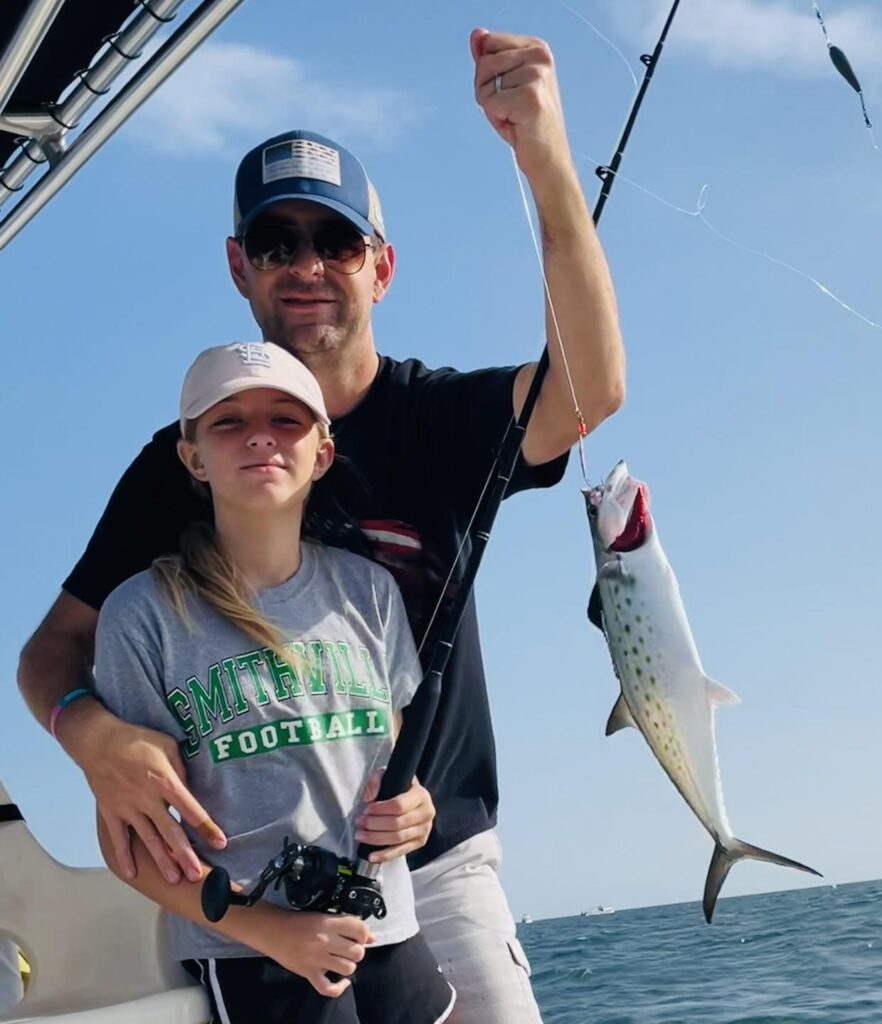
Spanish mackerel are providing fast and furious action along the oceanfront and up the bay. These feisty fish can be caught by trolling small spoons or casting metal jigs. Look for schools of breaking fish or diving birds to locate them. Spanish mackerel are great fun on light tackle and good eating too.
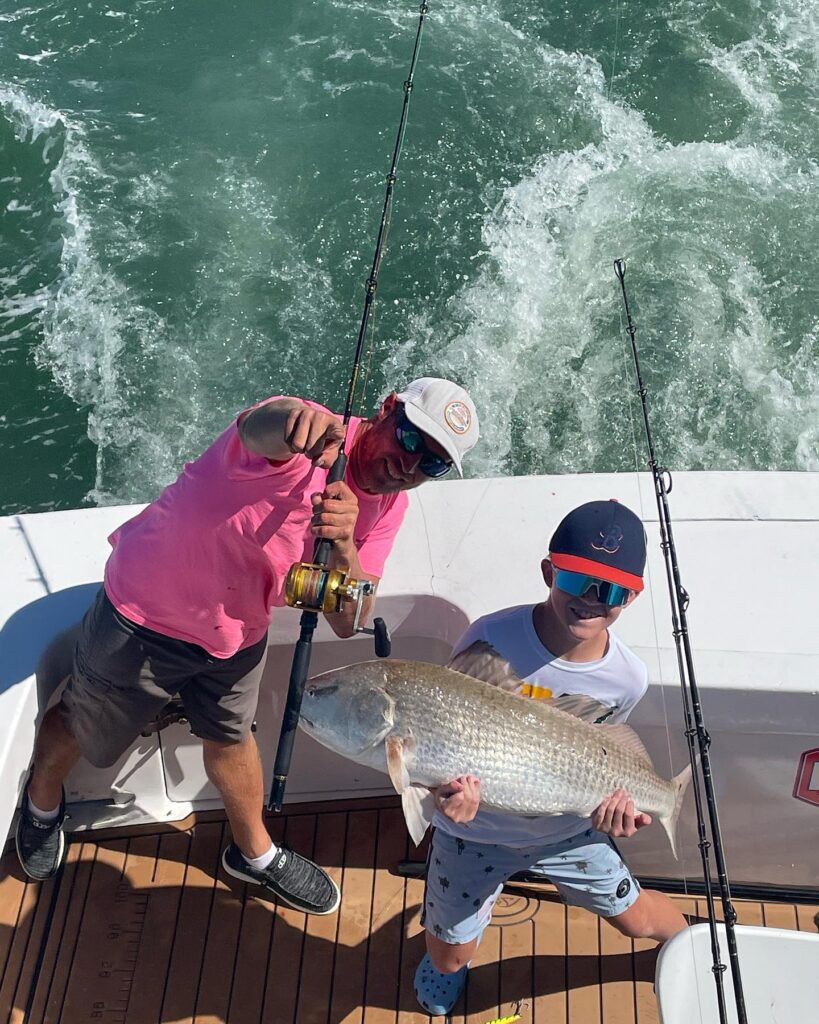
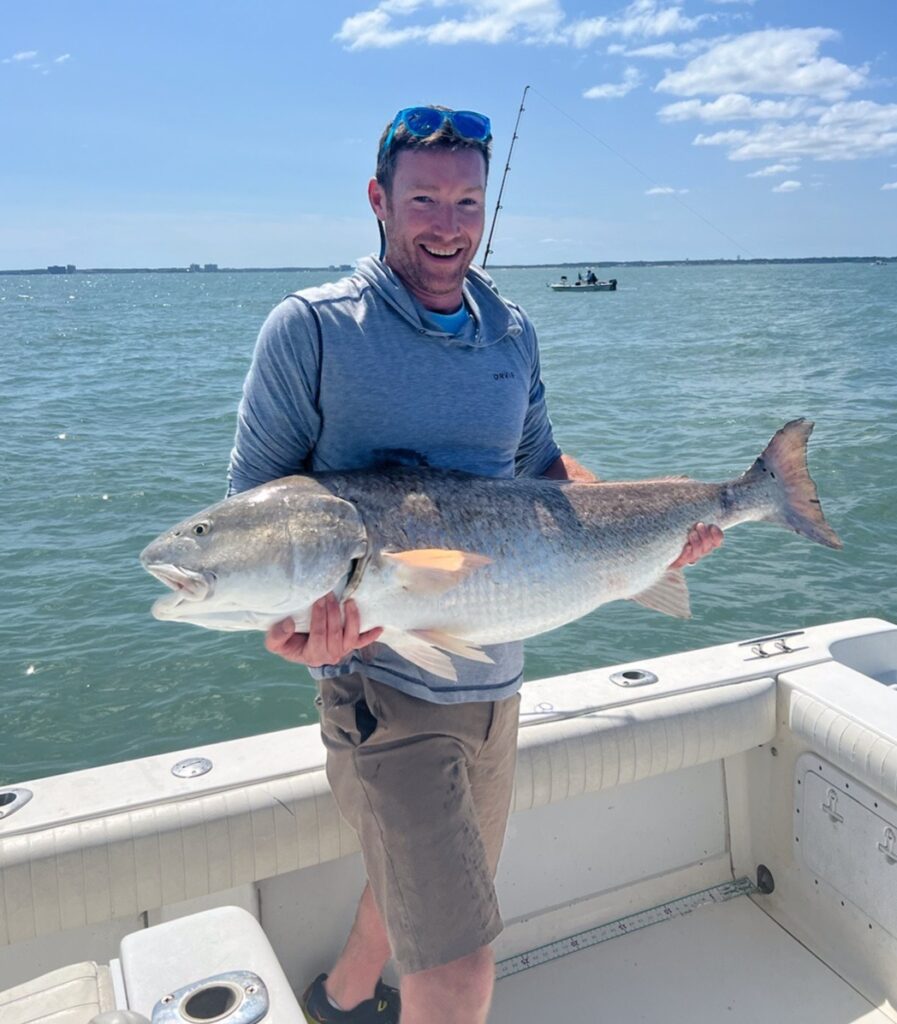
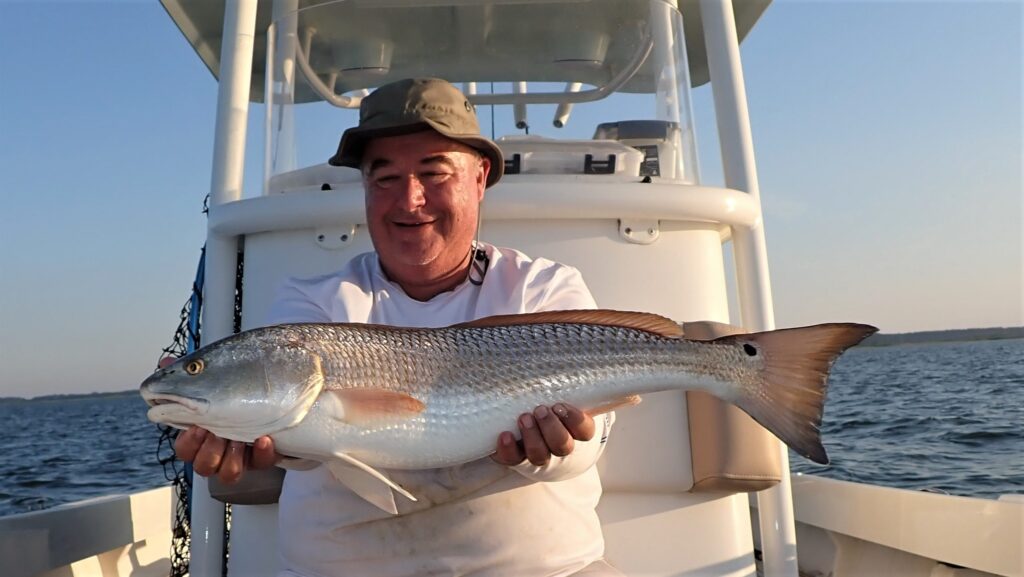
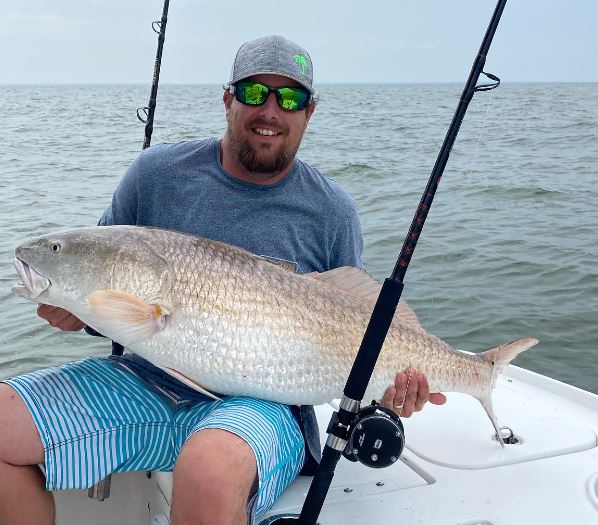
Puppy drum, also known as redfish, are showing up in good numbers in the rivers that feed into the bay. These fish can be caught on a variety of baits and lures, such as cut mullet, shrimp, crab, soft plastics, or topwater plugs. Puppy drum under 27 inches, are prized for their fight and flavor.
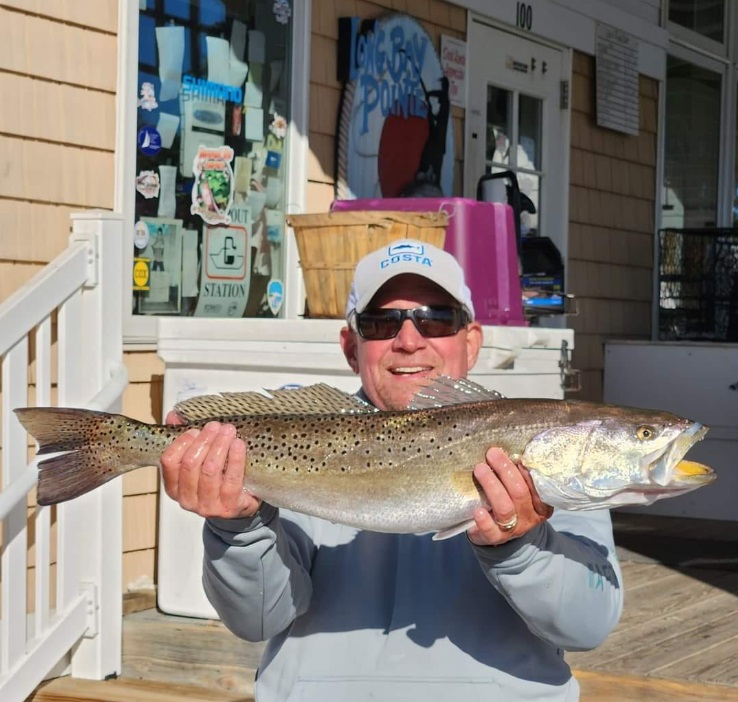
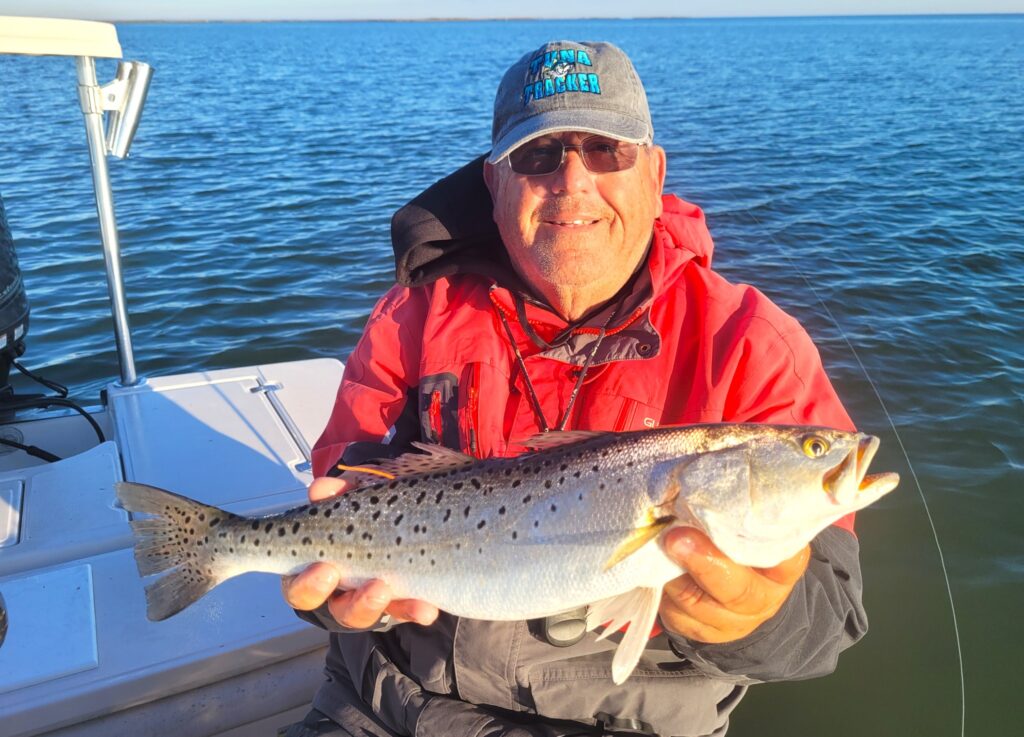
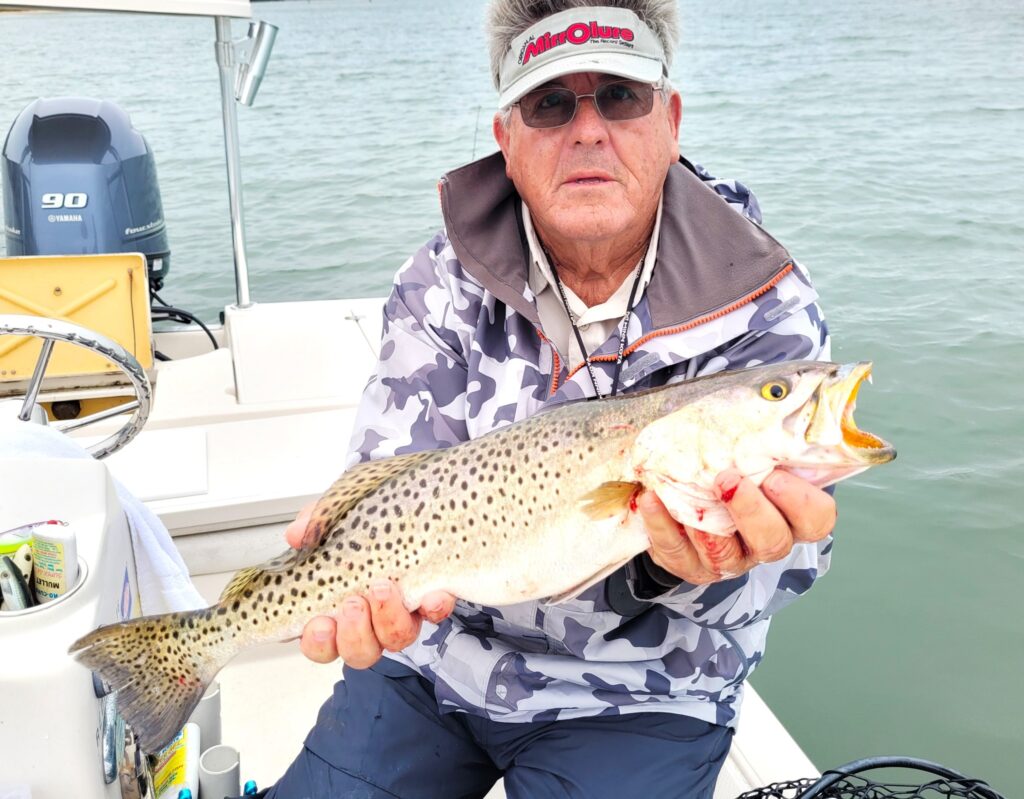
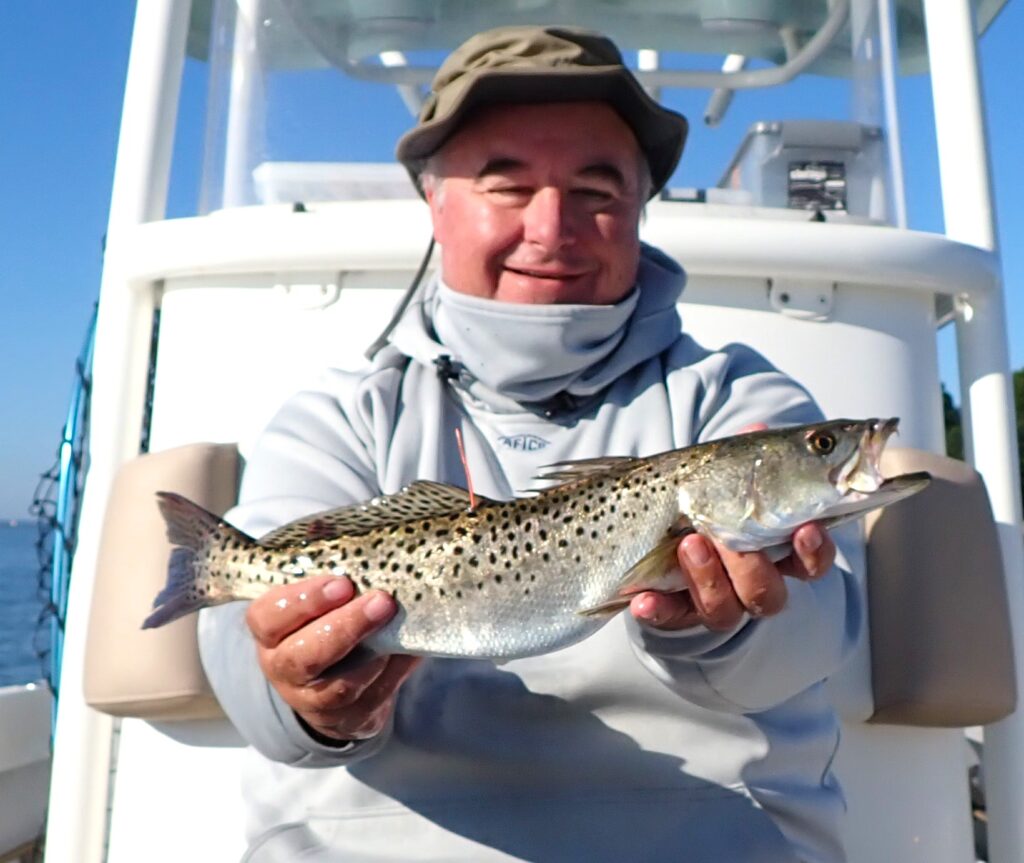
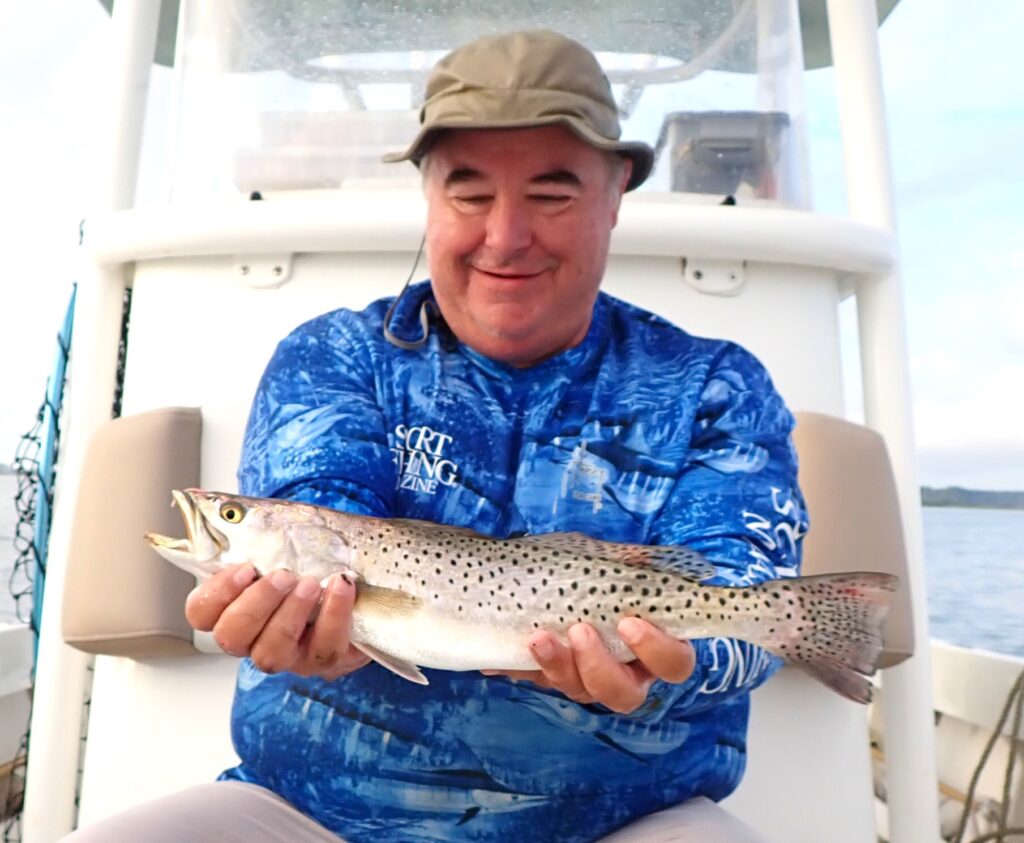
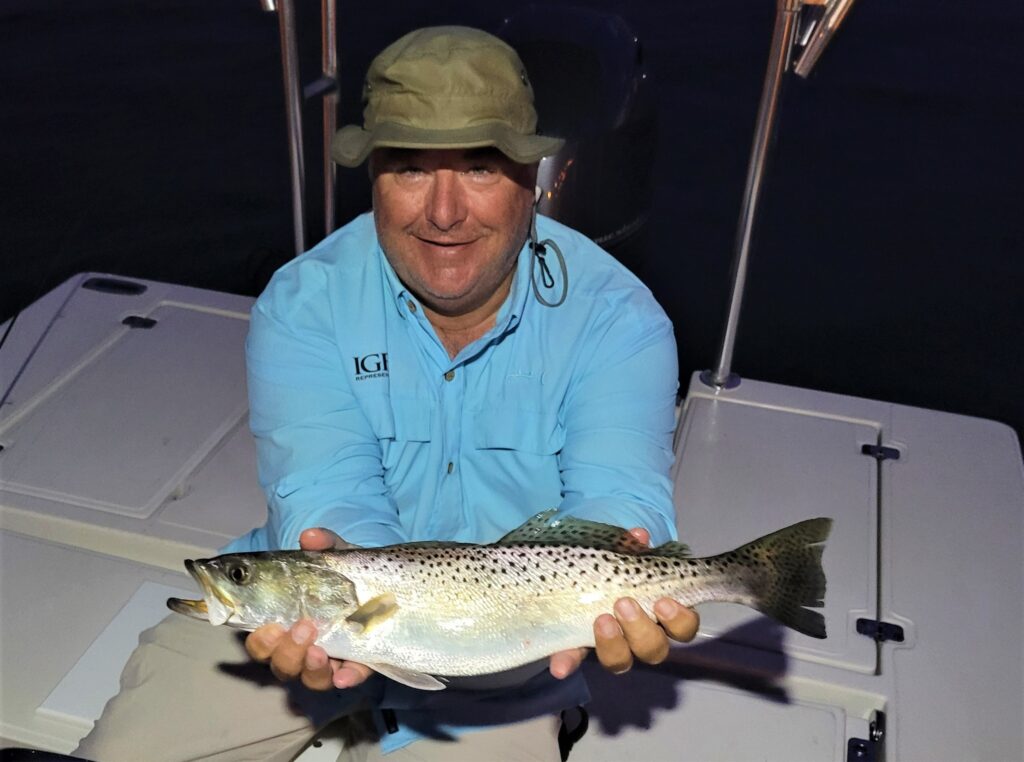
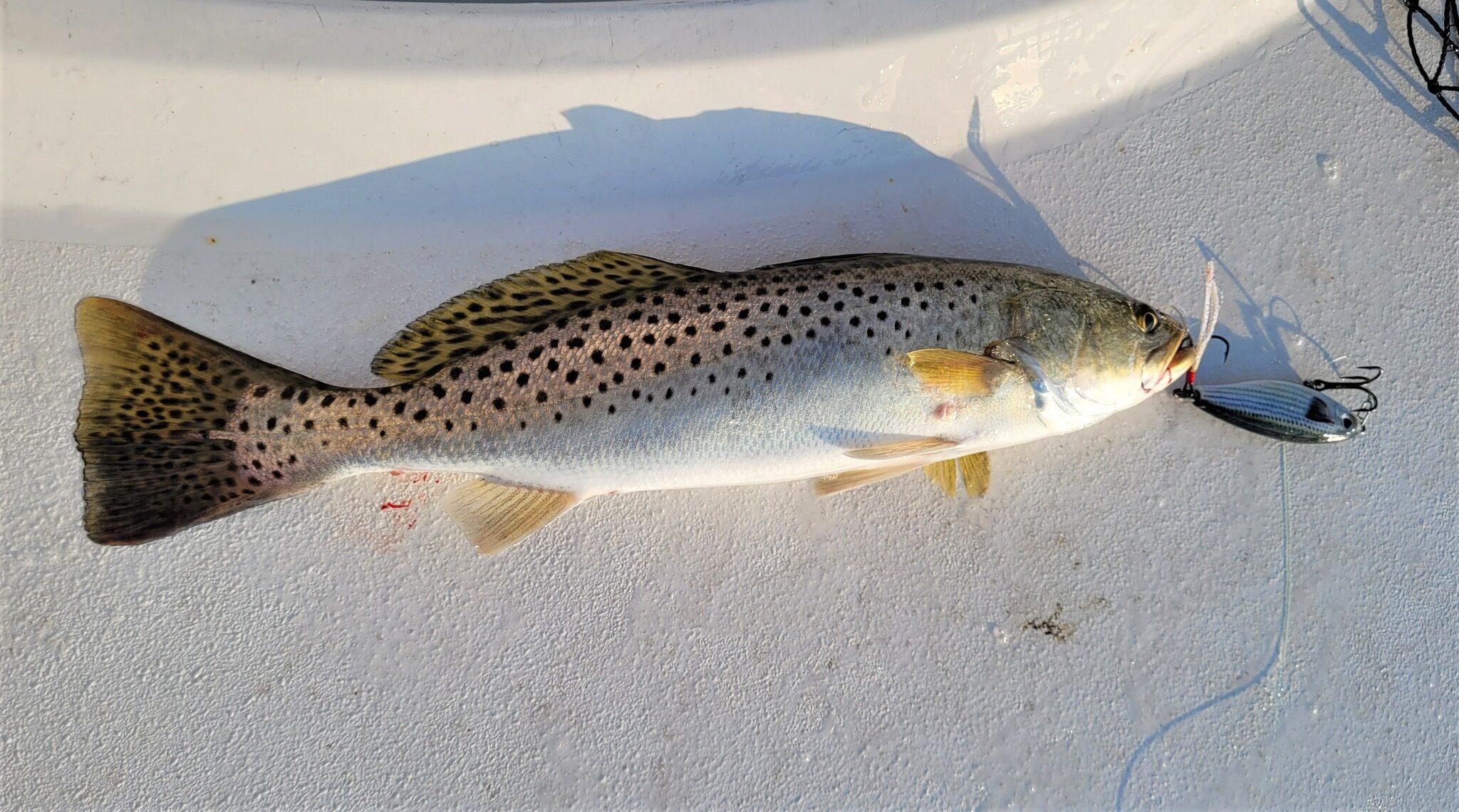
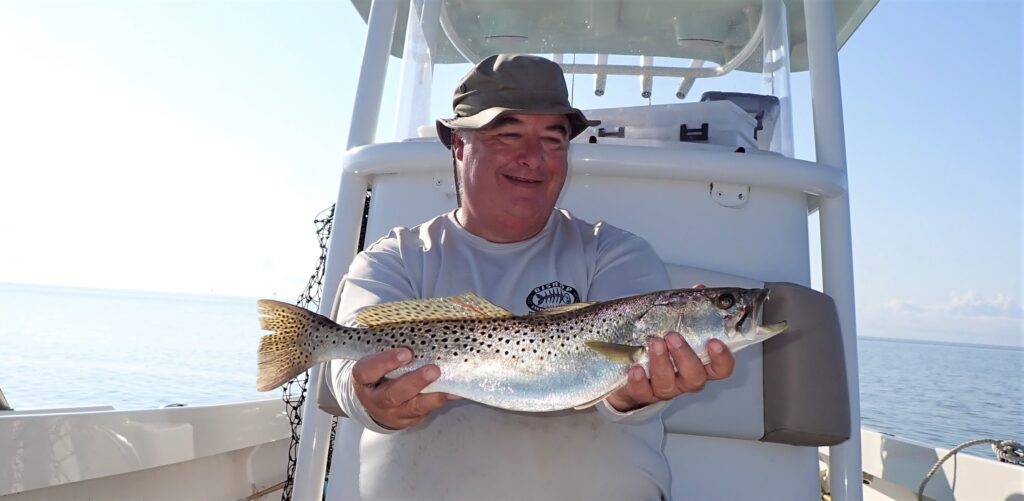
Spot, croaker, flounder, and trout are also available in the rivers and creeks. These fish can be caught on bottom rigs with bloodworms, squid, or shrimp. They are popular with anglers of all ages and skill levels, as they are easy to catch and good for the table.
Bluefish are another species that can be found in the bay and along the oceanfront. These fish are aggressive and will hit almost anything that moves. They have sharp teeth and will often cut through monofilament line, so use a wire leader or a heavy fluorocarbon leader to prevent losing your lure or bait. Bluefish are best eaten fresh or smoked.
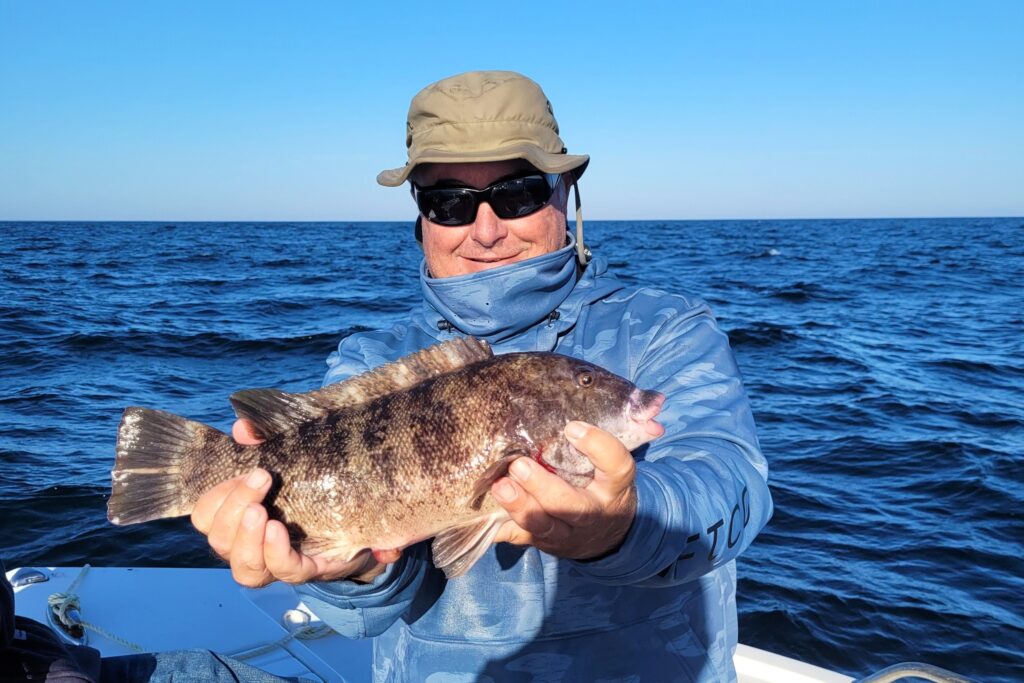
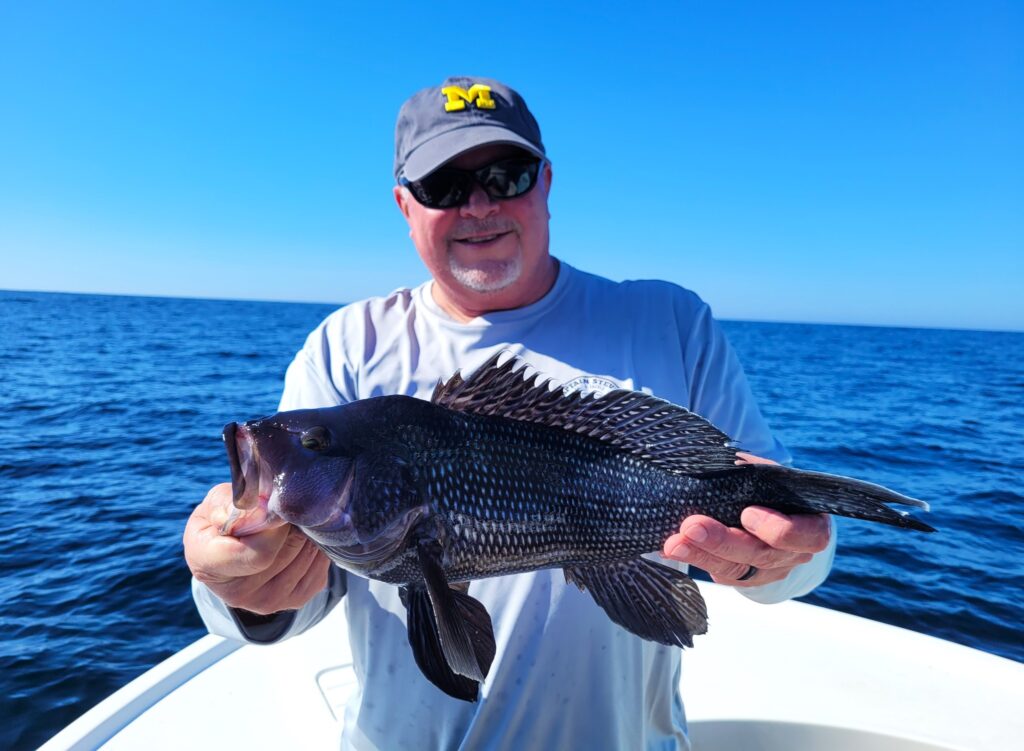
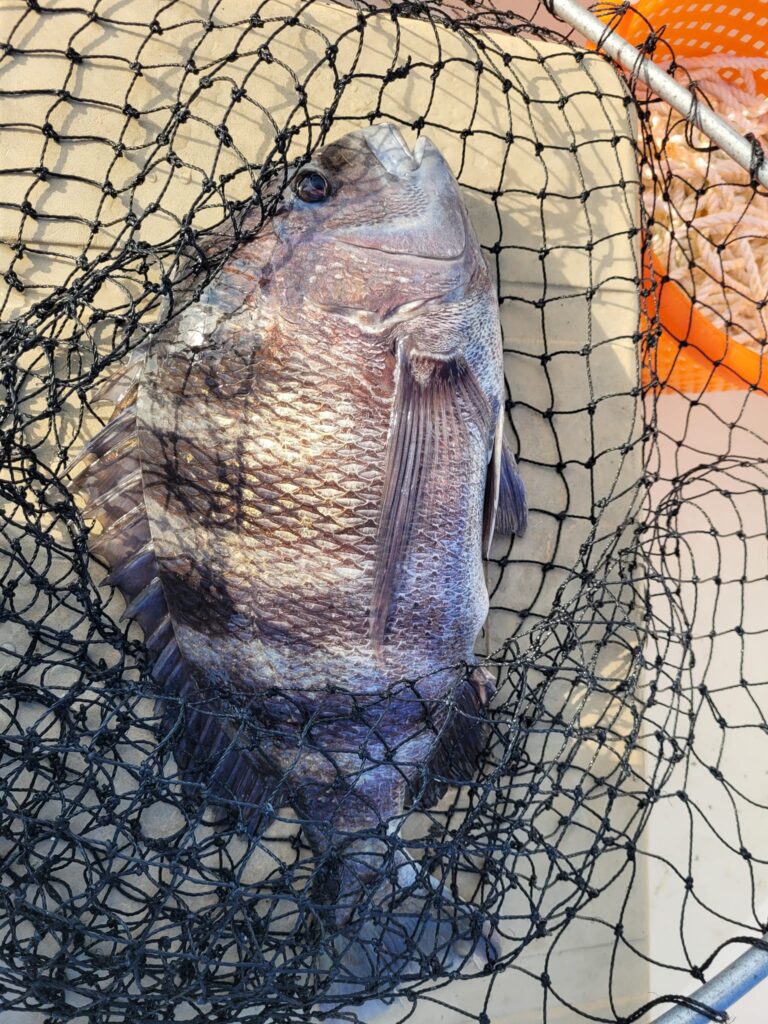
Sheepshead are a challenging but rewarding fish to catch. They have strong jaws and teeth that can crush shells and barnacles. They like to hang around structure, such as pilings, rocks, or wrecks, where they feed on crustaceans and mollusks. The best way to catch them is to use a small hook with a piece of crab or clam as bait. Sheepshead can weigh up to 20 pounds or more and are considered a delicacy by many anglers.
Spadefish are another species that can be found around structure in the bay. They look like small angelfish and have black and white stripes. They feed on small jellyfish and other planktonic organisms. The best way to catch them is to use a small hook with a piece of clam or squid as bait. Spadefish can put up a good fight on light tackle and are fun to catch.
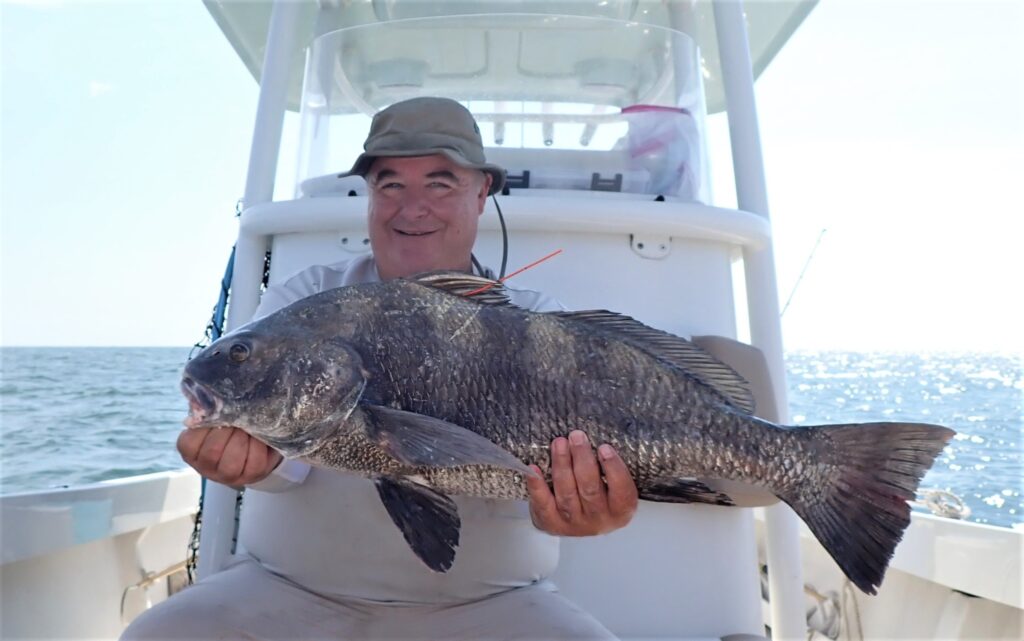
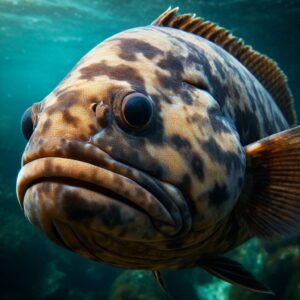
Dr. Neill, Black Drum
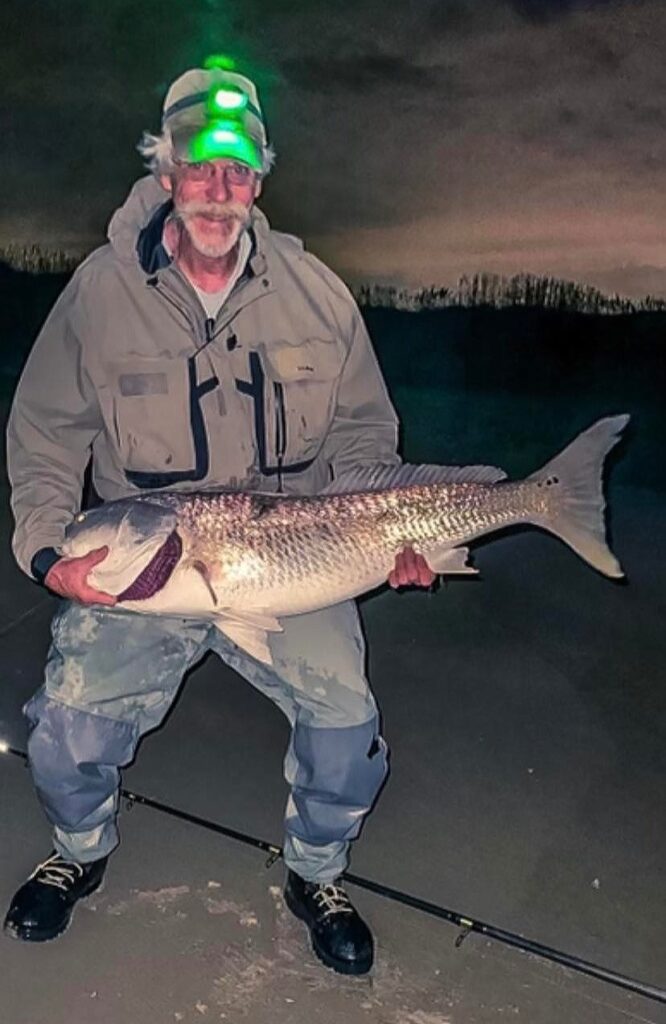
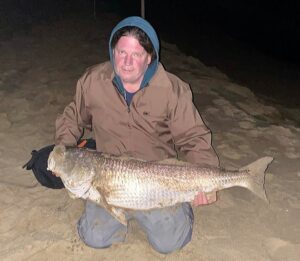
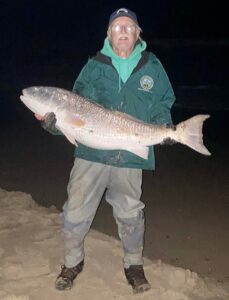
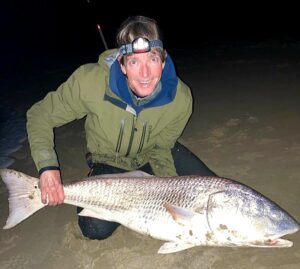
Red drum and black drum are two more possibilities for saltwater anglers in Virginia. These fish can grow very large and require heavy tackle and patience to land. Red drum can be caught by surf fishing with cut bait or by sight casting with artificial lures. Black drum can be caught by bottom fishing with clam or crab baits near structure or channel edges. Both species are regulated by size and bag limits, so check the regulations before you go fishing.
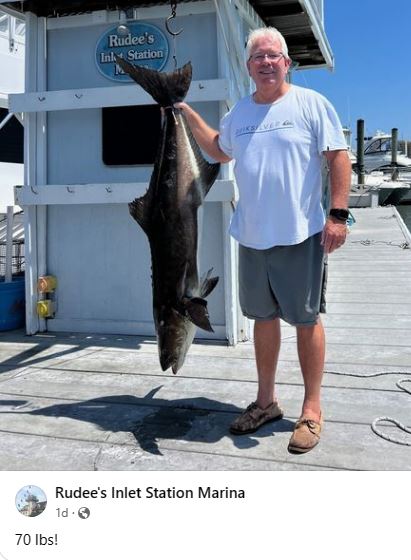
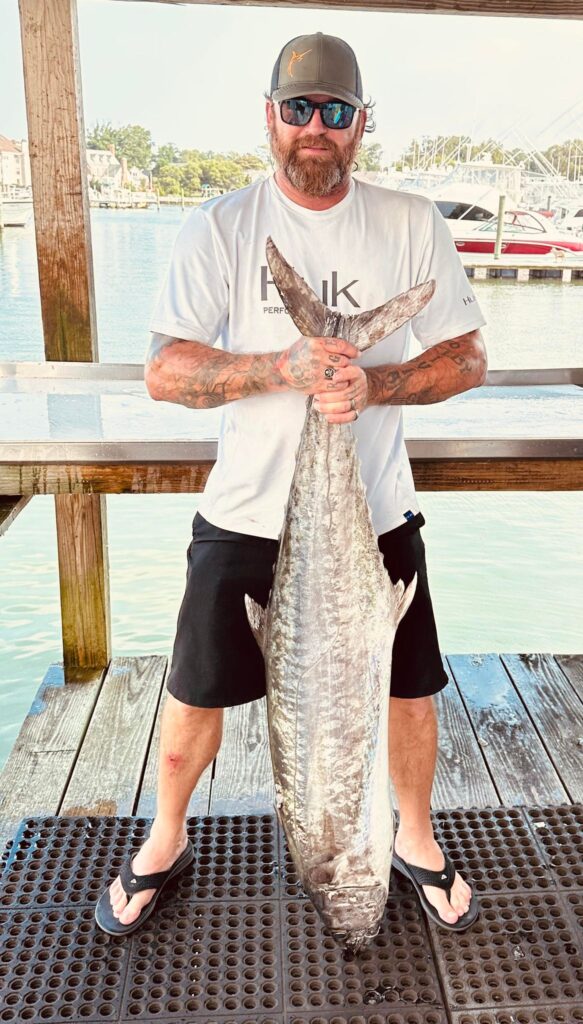
Cobia are one of the most sought-after fish in Virginia waters. These fish can weigh over 100 pounds and are known for their power and stamina. Anglers are chumming for cobia near buoys, channel markers, or other landmarks where cobia tend to congregate. Live eels, croakers, or menhaden are the best baits for cobia, but they will also hit large jigs or plugs.
Tarpon are a rare but exciting catch in Virginia waters. These fish can jump several feet out of the water when hooked and are a thrill to fight. Tarpon can be found in the lower bay or near the mouth of the bay during late summer and early fall. They can be caught by drifting live bait, such as mullet or menhaden, or by casting large lures or flies.
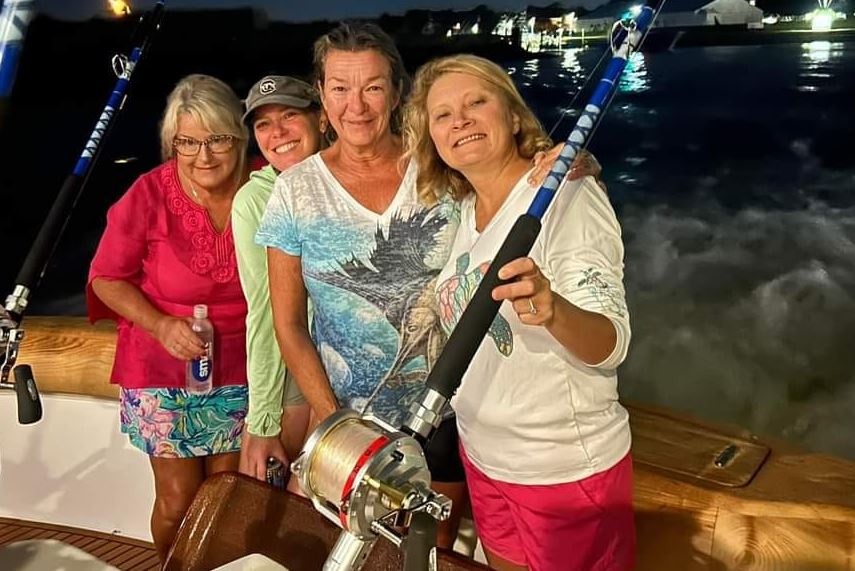
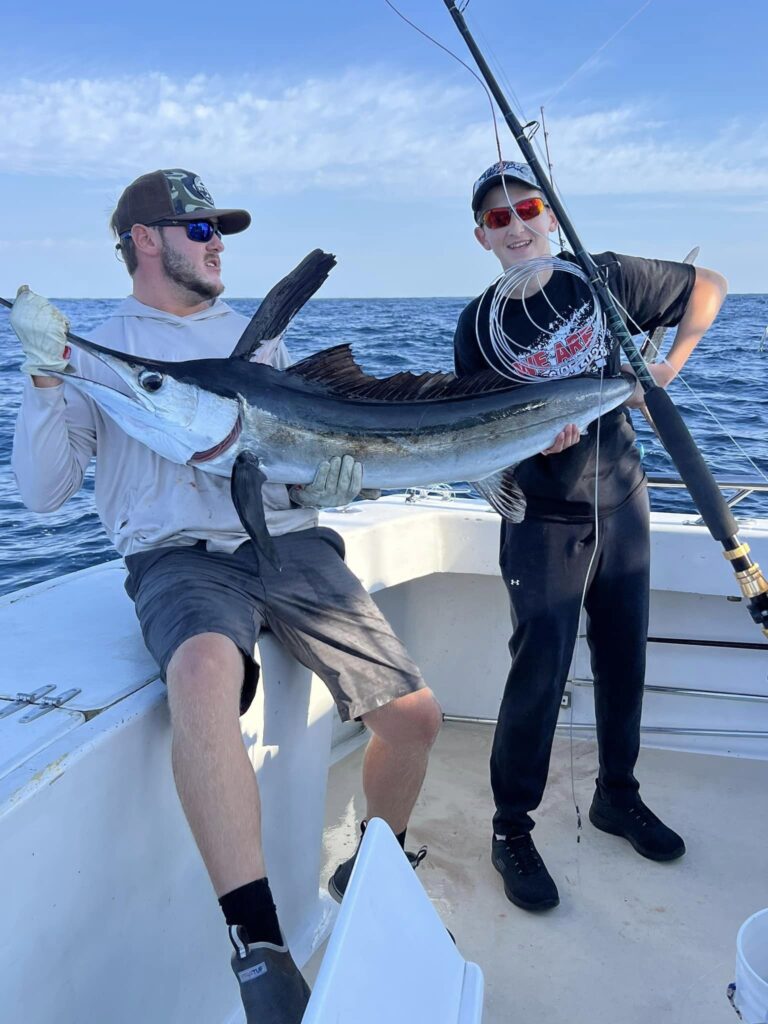
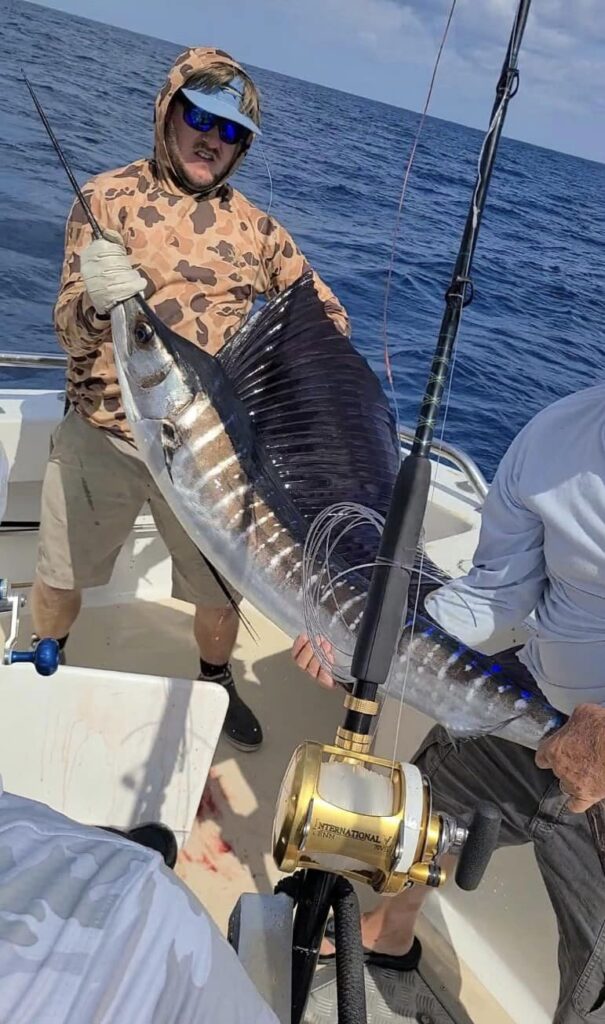
Lisa Pate and crew of the Sea Trader, Wine Women Fishing Tournament🎗️. Released 2 Sailfish
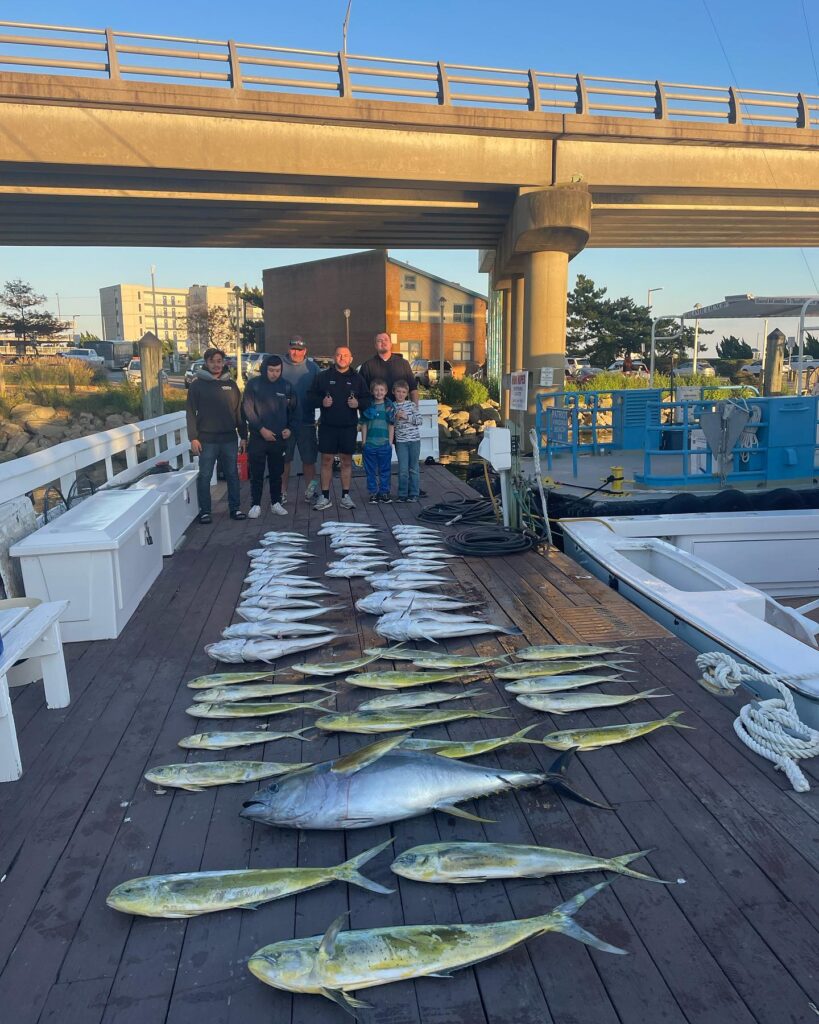
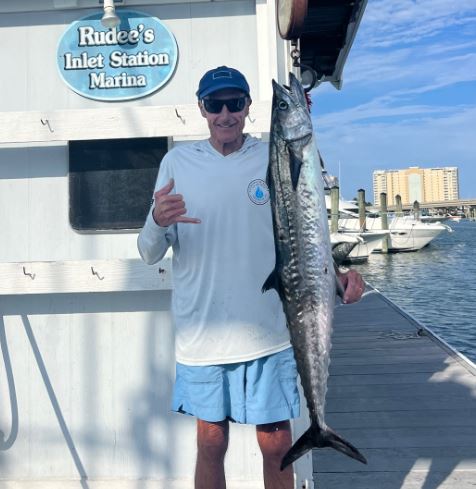
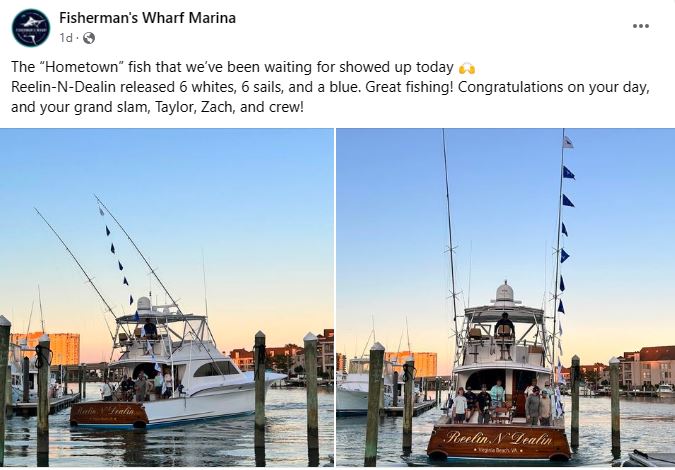
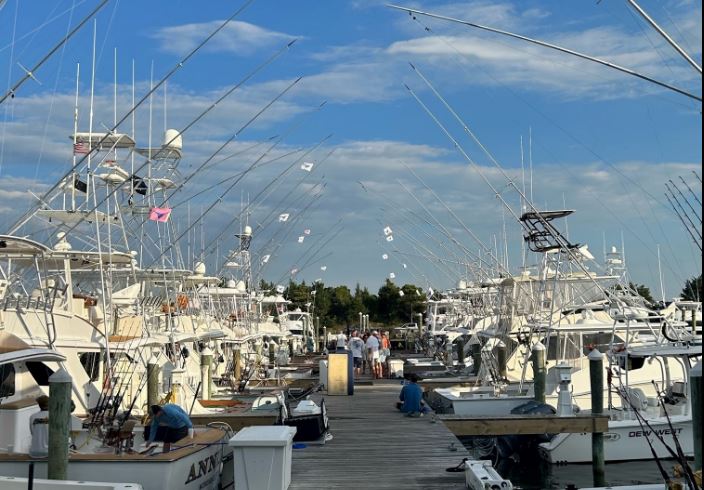
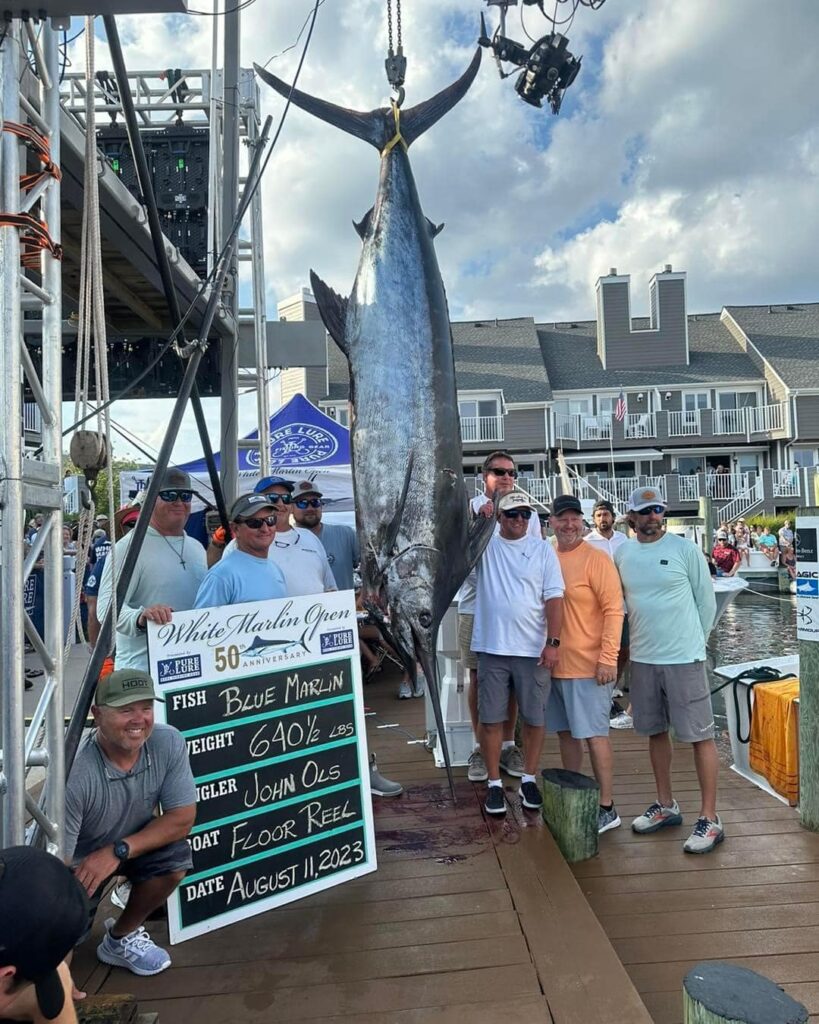
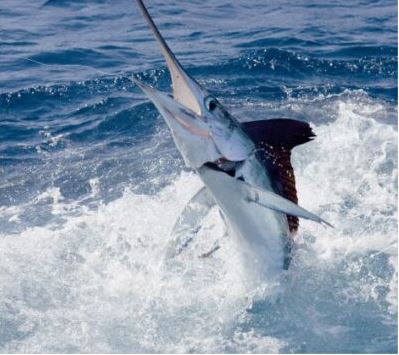
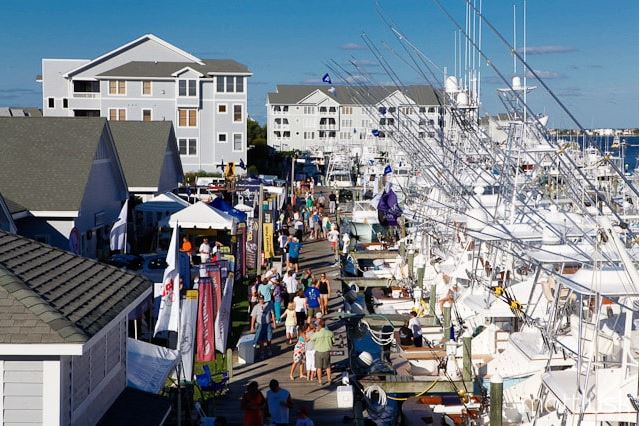
This is peak Bluewater season along the mid-Atlantic. Crews are finding hungry marlin, dolphin, wahoo and tuna. The 21st Annual Wine, Women & Fishing Ladies-Only Charity Billfish Tournament kicked off the tournament scene at Rudee Inlet Saturday and Sunday. Next up is the Virginia Beach Billfish Tournament, a premier event that showcases the best of Virginia’s offshore fishing. The tournament runs from August 23rd to 26th.
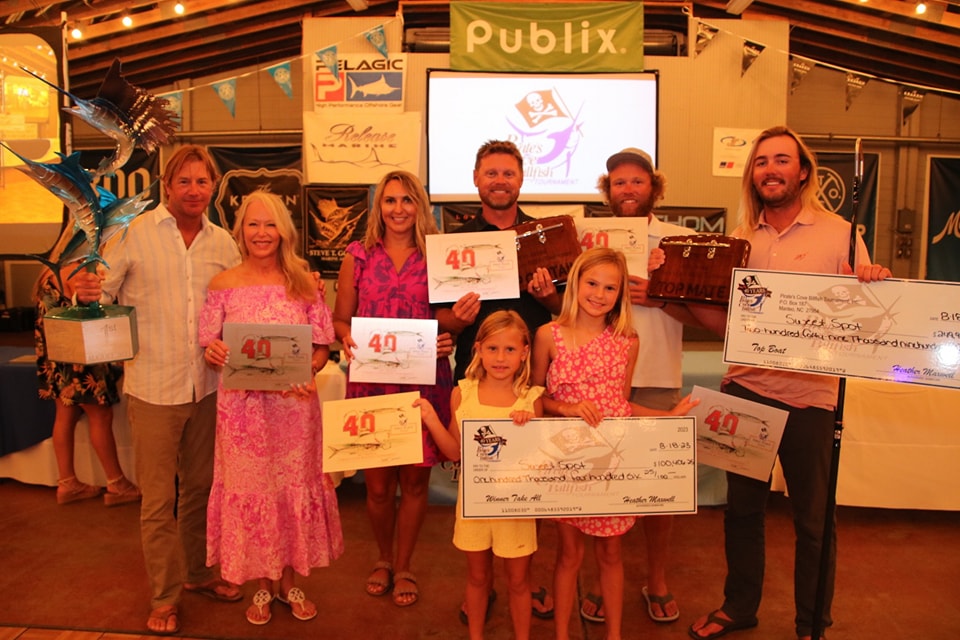
Congratulations Team Sweet Spot!
The 2023 Pirate’s Cove Billfish Tournament in Manteo, NC took place August 14th to 18th. It showcased the skills and sportsmanship of some of the best anglers in the world. The tournament featured 88 boats competing for a total purse of over $1.2 million. The fishing action was intense, with a total of 408 billfish released, including 371 sailfish, 2 white marlin, and 35 blue marlins. The leaderboard changed frequently, as teams battled for the top spots in various categories. The overall champion of the tournament was Sweet Spot, captained by Chris Kubik. The runner-up was Slow Your Roll, captained by Jeremy Edwards. Third place went to SEA TOY, captained by Bull Tolson. The fourth place was a tie between Goombay and Viking 80C, both with 1300 points. Goombay, captained by Jay Watson and Viking 80C, captained by Ryan Higgins. The rest of the top ten teams were Bullwinkle (1150 points), Double G and Right Hook (1100 points each), Fin Planner (1050 points) and Blue Bill (1000 points). The tournament also awarded prizes for the heaviest tuna and wahoo, which went to Reel Development (71-pound tuna) and Sea Wolf (58-pound wahoo), respectively. The tournament organizers thanked all the participants, sponsors, volunteers and staff for making the event a success. They also congratulated all the winners and praised their efforts in conservation and catch-and-release fishing. The tournament raised funds for various local charities, including the Dare County Boat Builders Foundation, which provides scholarships for students pursuing careers in marine-related fields.
Book your Virginia Beach fishing trip!





 Views Last 7 days : 1615
 Views Last 30 days : 12084