Peninsula Saltwater Sport Fisherman Rundown

By Dr. Ken Neill, III
IGFA Representative
President, Peninsula Salt Water Sport Fisherman’s Association

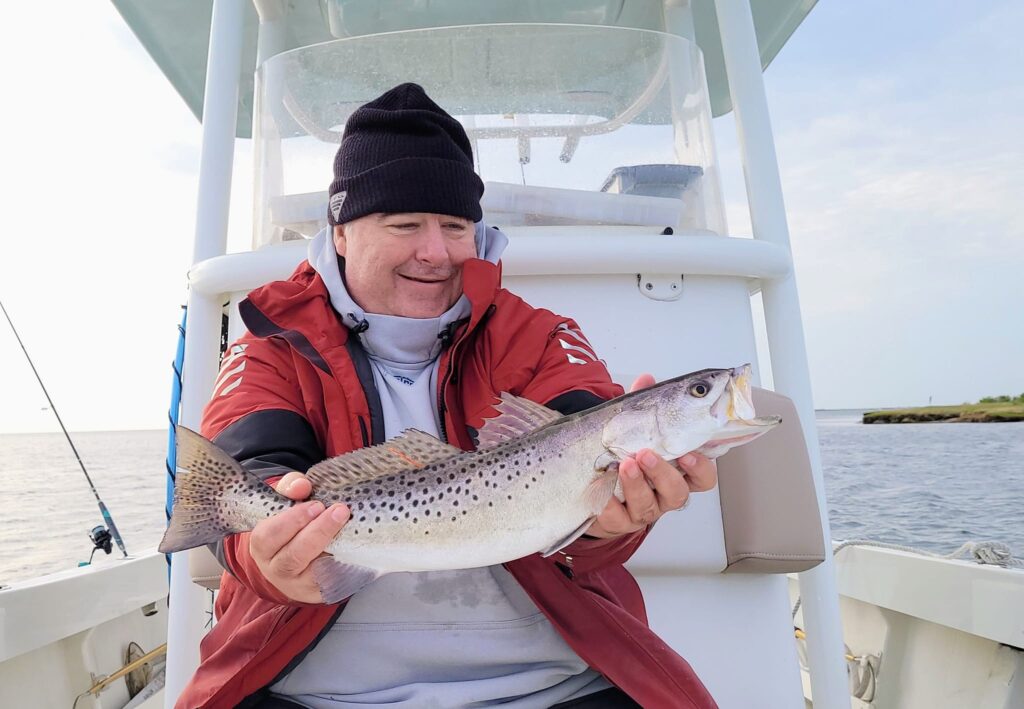
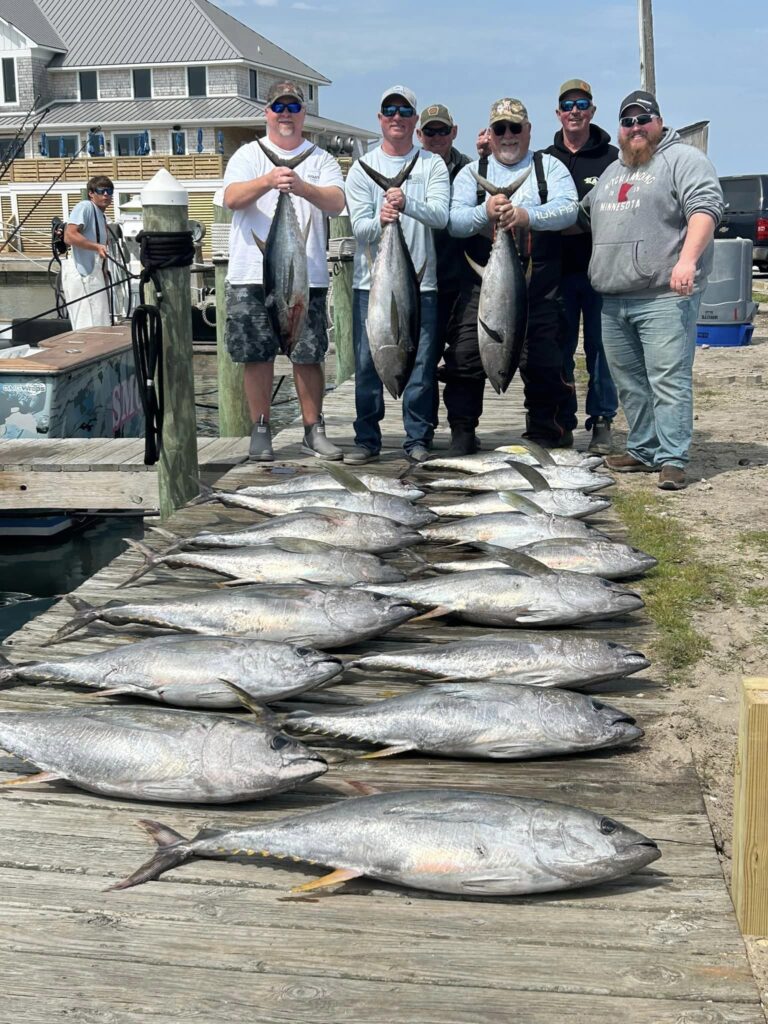
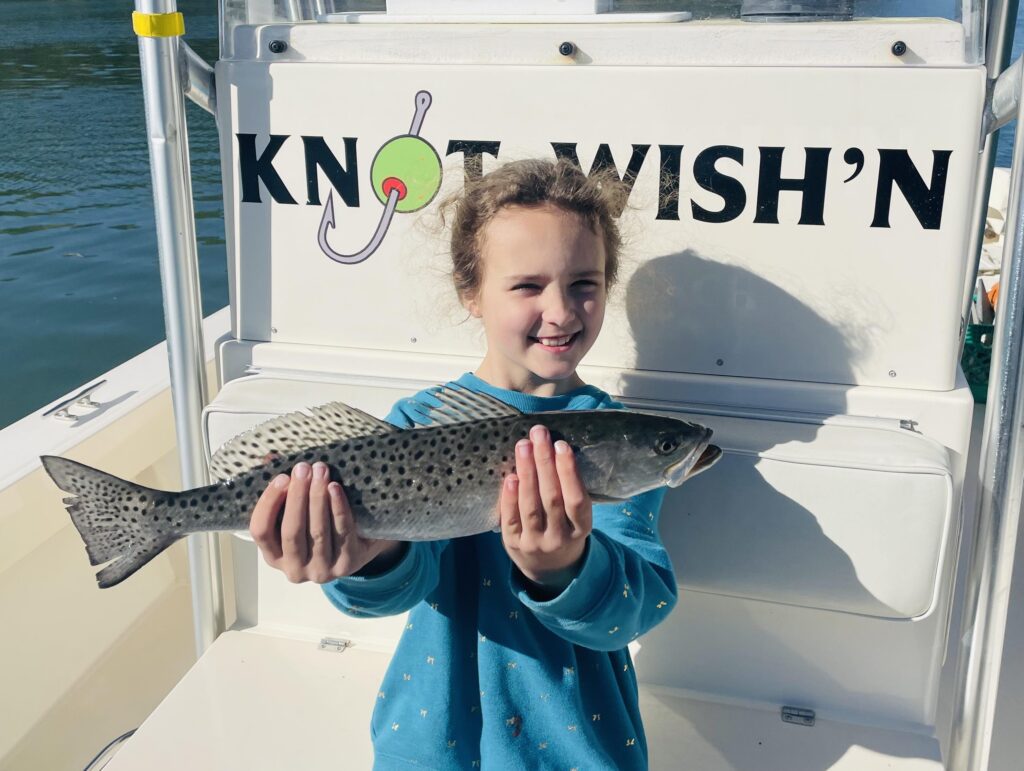
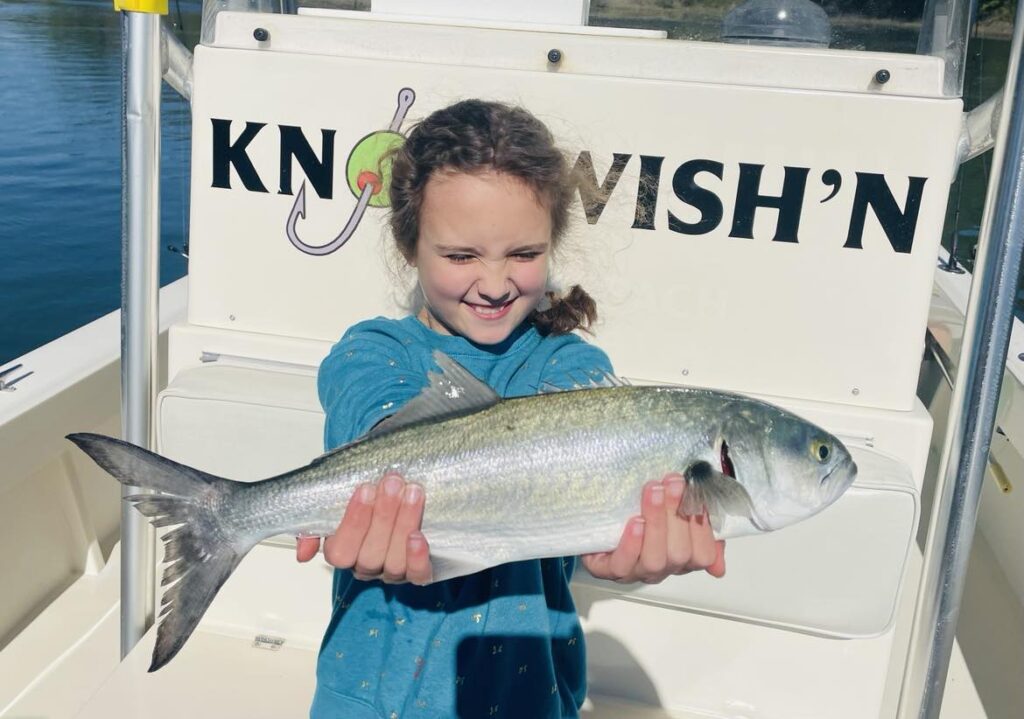
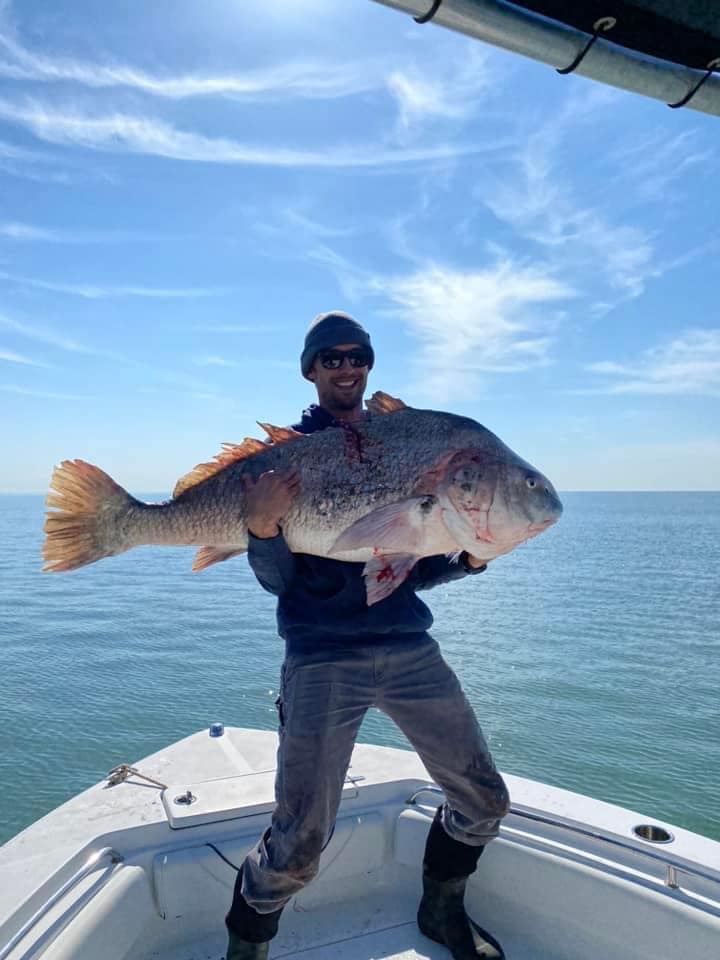
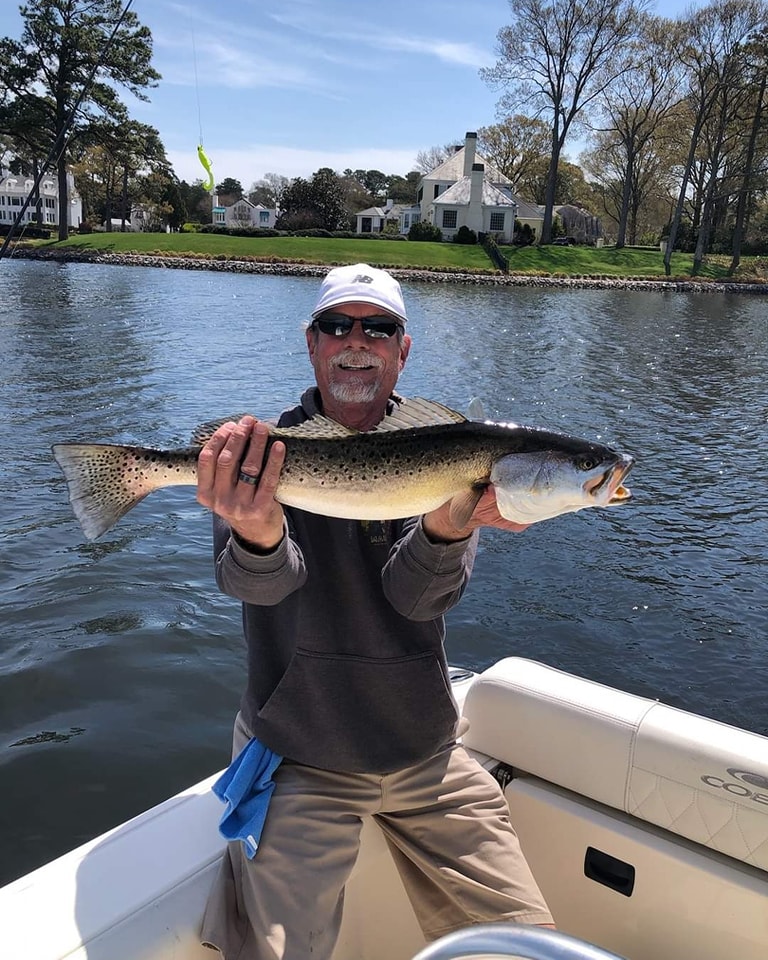
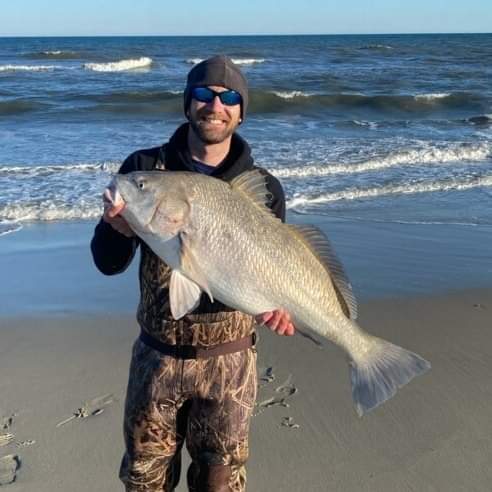
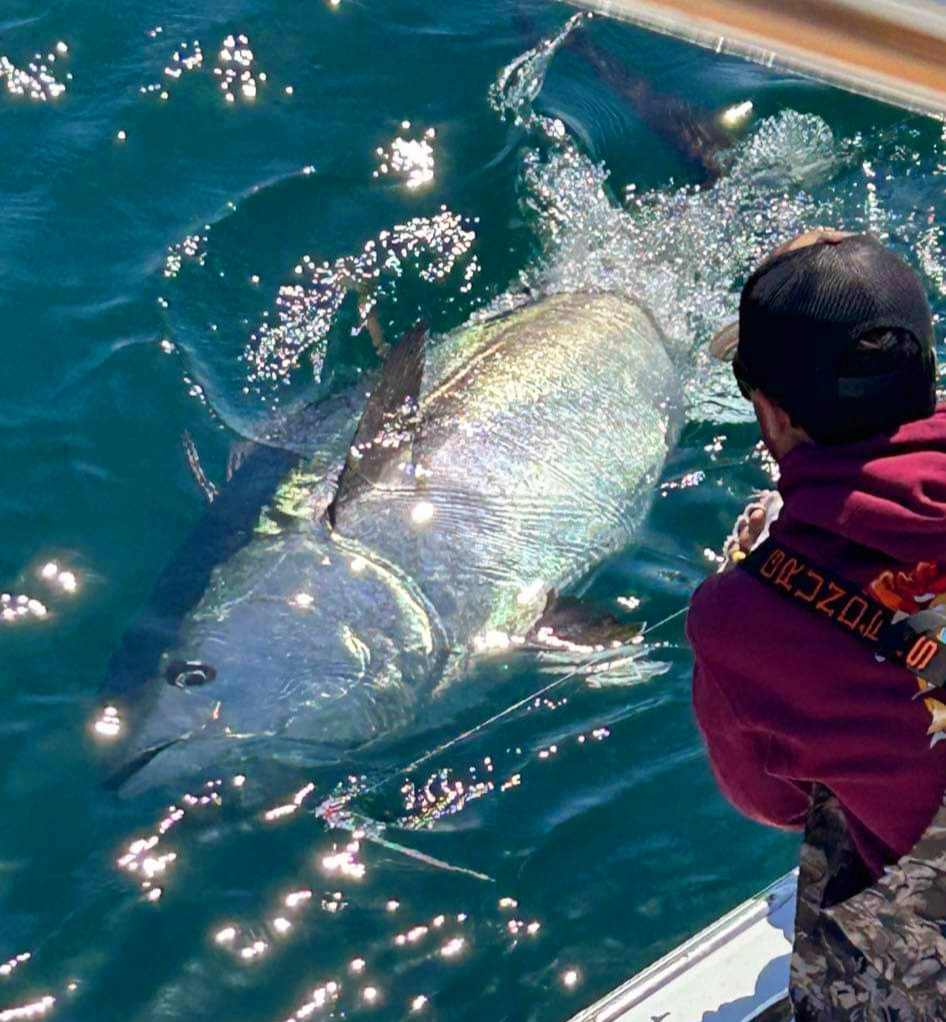
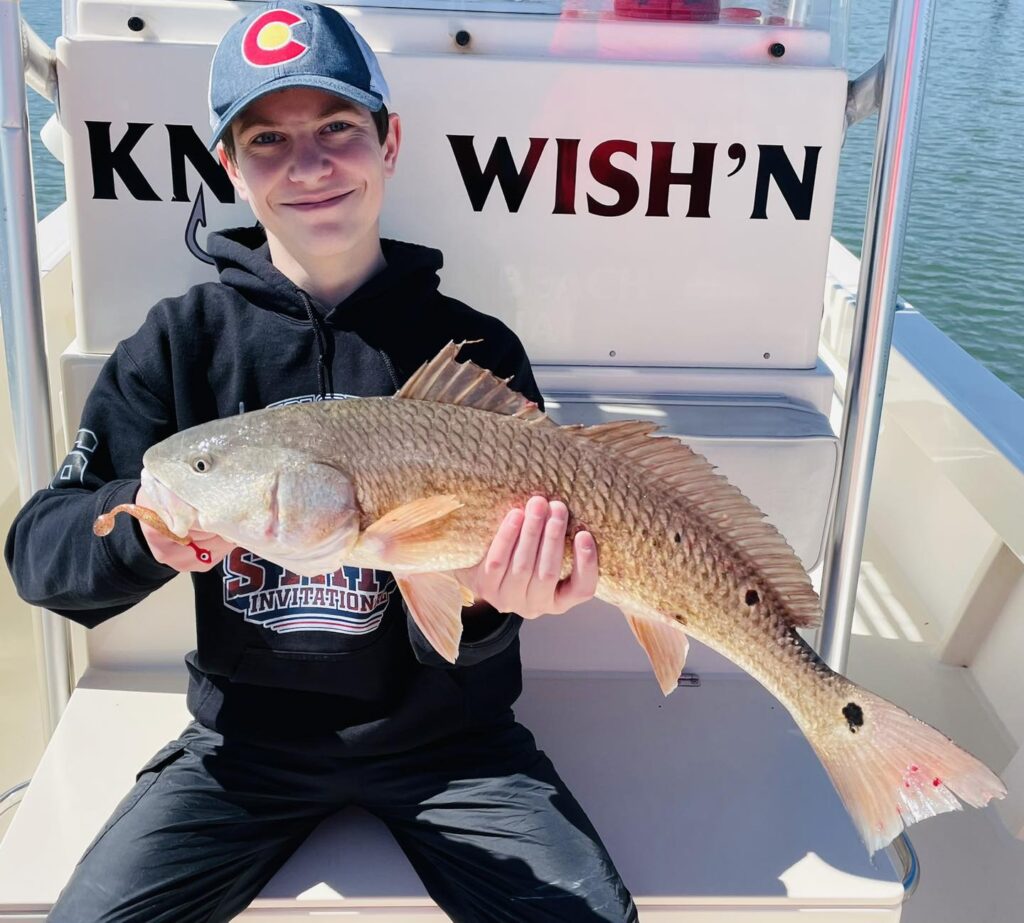
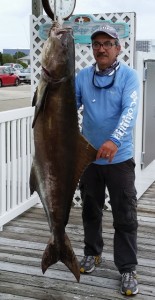
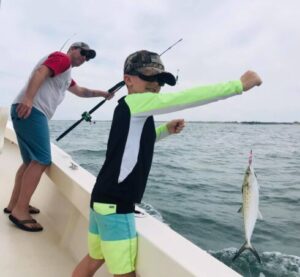
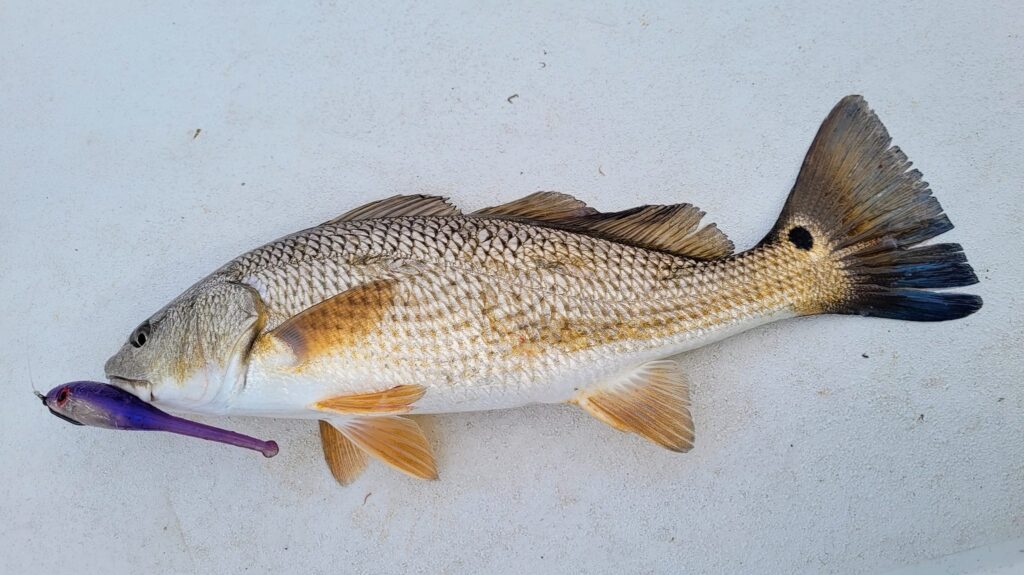
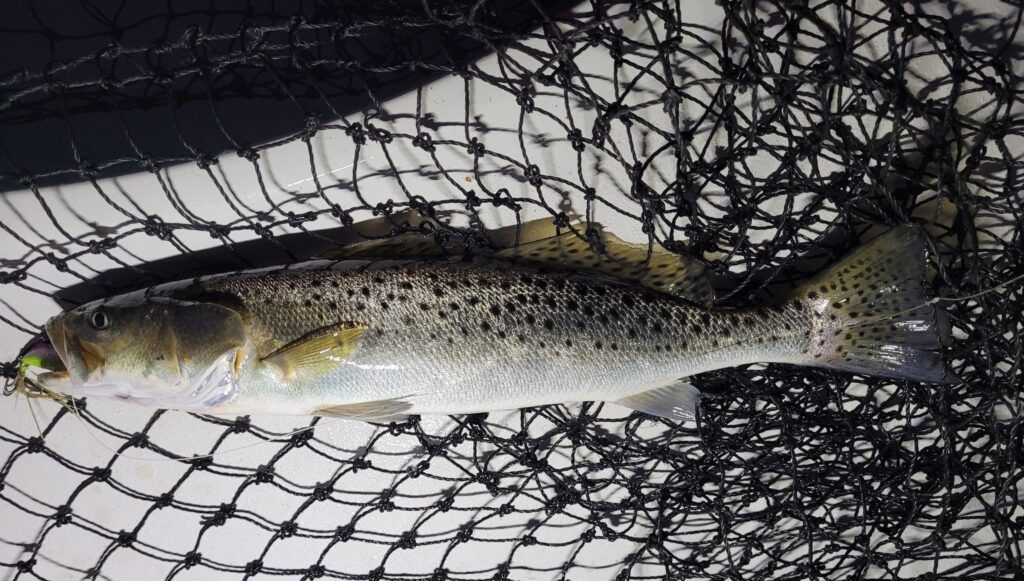
While they have been here for more than a month, this past week the drum bite really turned on. Red drum were caught in the surf of Fisherman’s and Smith Islands, on Nautilus and 9-Foot Shoals and in the buoy 10 area. Black drum were caught at buoys 16, 13, and 10. The striped bass trophy season is open. You are allowed to keep one “trophy” fish, 32 inches or longer. Large striped bass can be found at the CBBT and around the barrier islands of the Eastern Shore. Check the regulations. These trophy fish must be reported and the regulations will change again on May 16. Sea bass will re-open on May 19. This will get us back out on the ocean wrecks where the sea bass are waiting. Interest in offshore bottom fishing will also pick up then as the big sea bass caught out there will no longer have to be released as by-kill while fishing for tilefish and grouper. The grouper and tilefish action has been good. The golden tile bite has been particularly good. Remember that you have to have a Tilefish/Grouper Permit and must report each tilefish and grouper that you catch. Flounder are being caught but the action has not been great. There have been some good catches inside the seaside inlets. This is the prime month for speckled trout fishing in the Mobjack Bay area and the rivers there have been producing some nice speckled trout. Offshore fishing has been pretty good out of the Outer Banks with yellowfin tuna, dolphin, wahoo, and a decent number of billfish all being caught. There have been a few tuna caught out of Virginia but not many boats have been making the run. Small bluefish are biting well inside the inlets and up in the lower bay. Spadefish, sheepshead and cobia are all fish we will start to hear about over the next few weeks. Like our drum fishery, cobia showed over a month ago at Hatteras but did not develop into much until now. The sight fishery from Cape Hatteras to Cape Lookout has really taken off. We should be seeing some fish in the bay in a couple of weeks.

The very popular Flounder Bowl will be held on June 30. It will be headquartered at Dare Marina again this year.

http://vbsf.net/2012/03/26/flounder-bowl-2012/


Virginia Inshore & Offshore Report

By Dr. Julie Ball, VBSF.net fishing report contributor and IGFA Representative, Virginia Beach

A brief break in the weather last weekend allowed boats to get out on the water. The fishing results were mixed, but the best inshore action came from the eastern side of the Bay where drum and flounder stepped up to the plate.

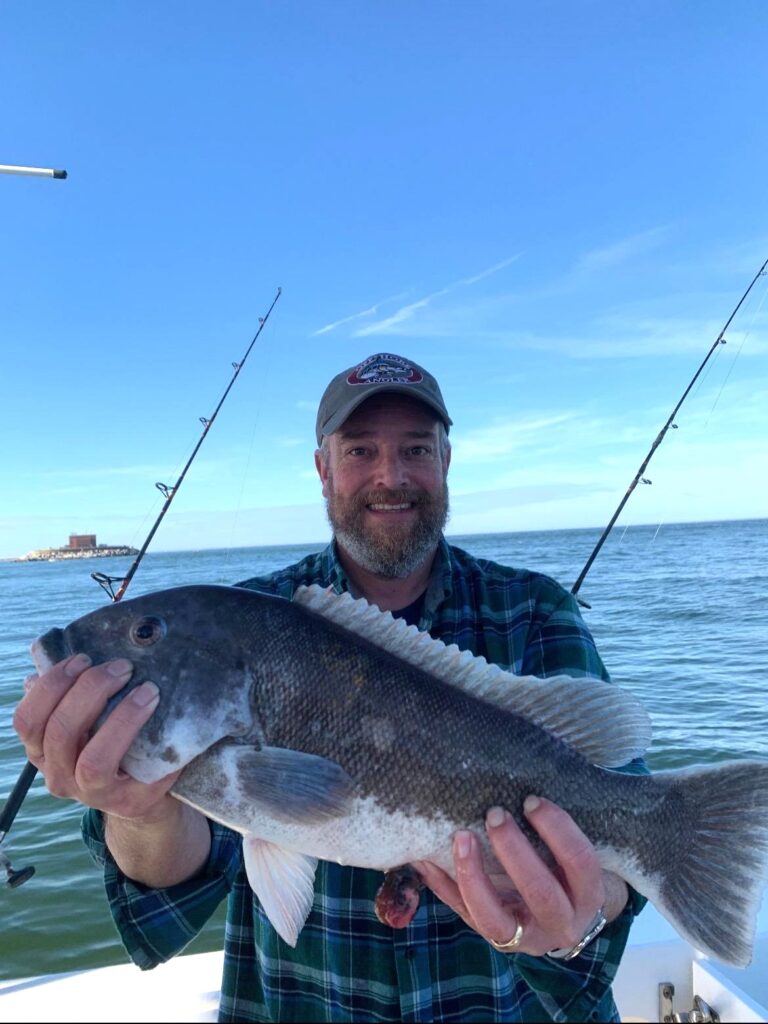
The drum scene is still heating up, with an escalation in black drum activity within Bay waters adding to the momentum this week. According to the folks at Chris’ Bait and Tackle, the larger black drum are now beginning to show in their usual haunts along the Bayside area of the Eastern Shore. Blacks pushing to over 46-inches are taking chowder and sea clams between buoys 13 and 16 along Latimer Shoal and near Nautilus Shoal. This black drum action should continue to improve over the next week or so, providing plenty of opportunities to enter Chris’ Individual Black Drum Tournament, which runs May 1st-31st.

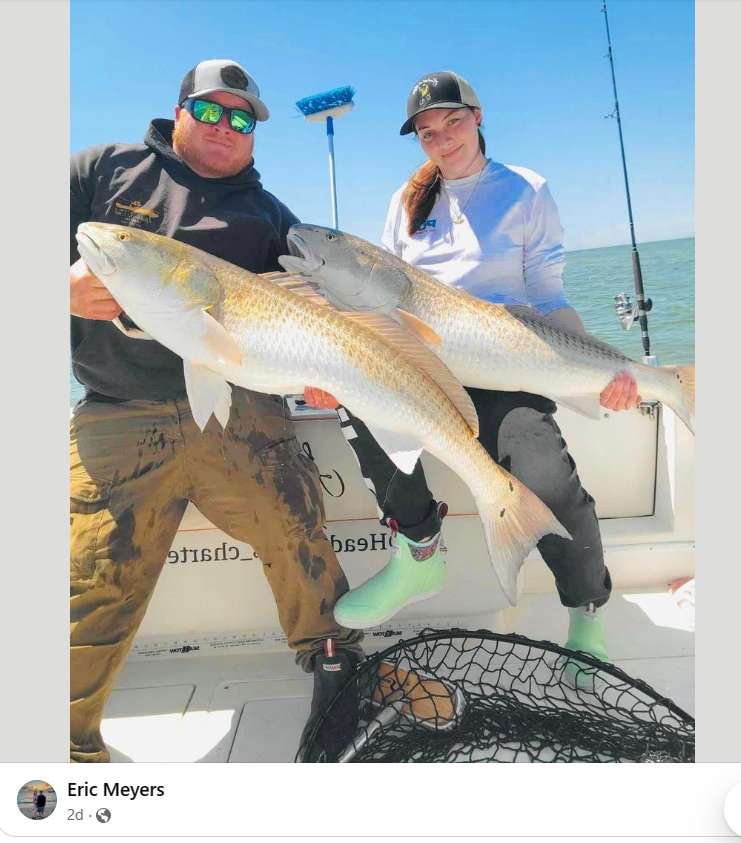
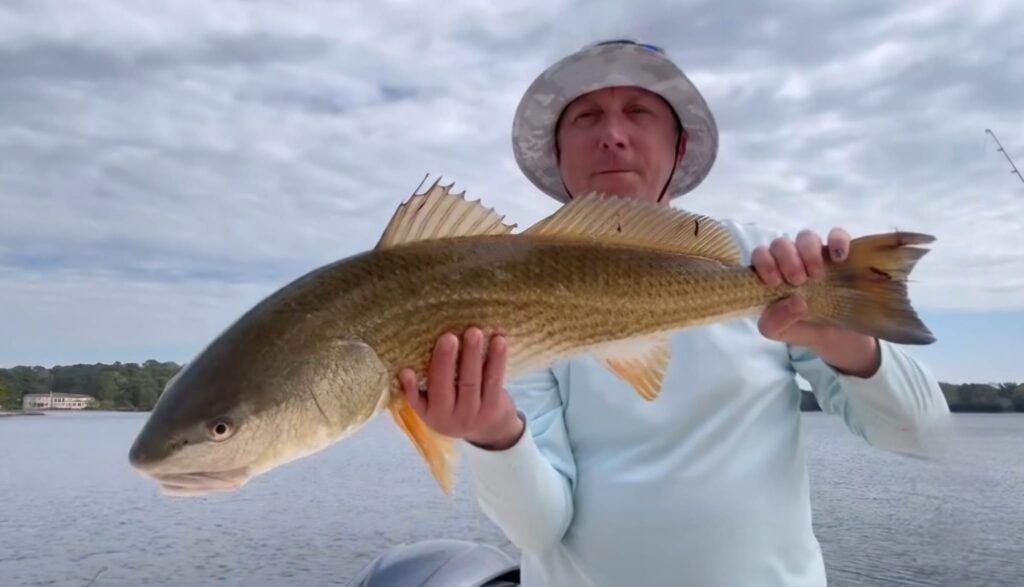
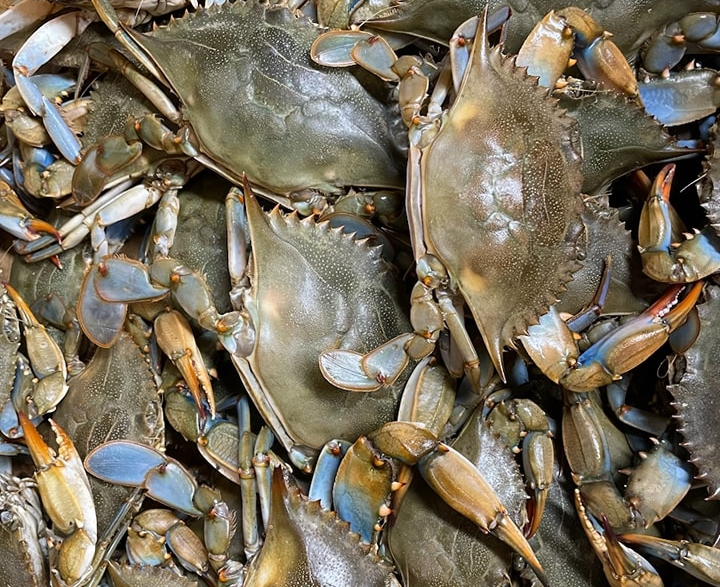
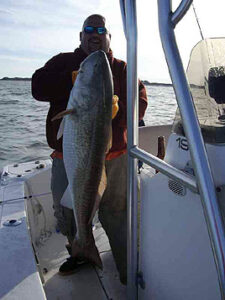
Big red drum are still patrolling the breakers off of Smith and Fisherman’s Island, with the incoming tide providing the best results lately. Surf anglers are still faring very well on the reds from Smith and Myrtle Islands, with good sized striped bass to over 41-inches also taking offerings. The red drum action is also picking up along the Nine-foot shoal area, especially in the evenings. Both peelers and blue crabs are working well, but bunker will also get the job done.

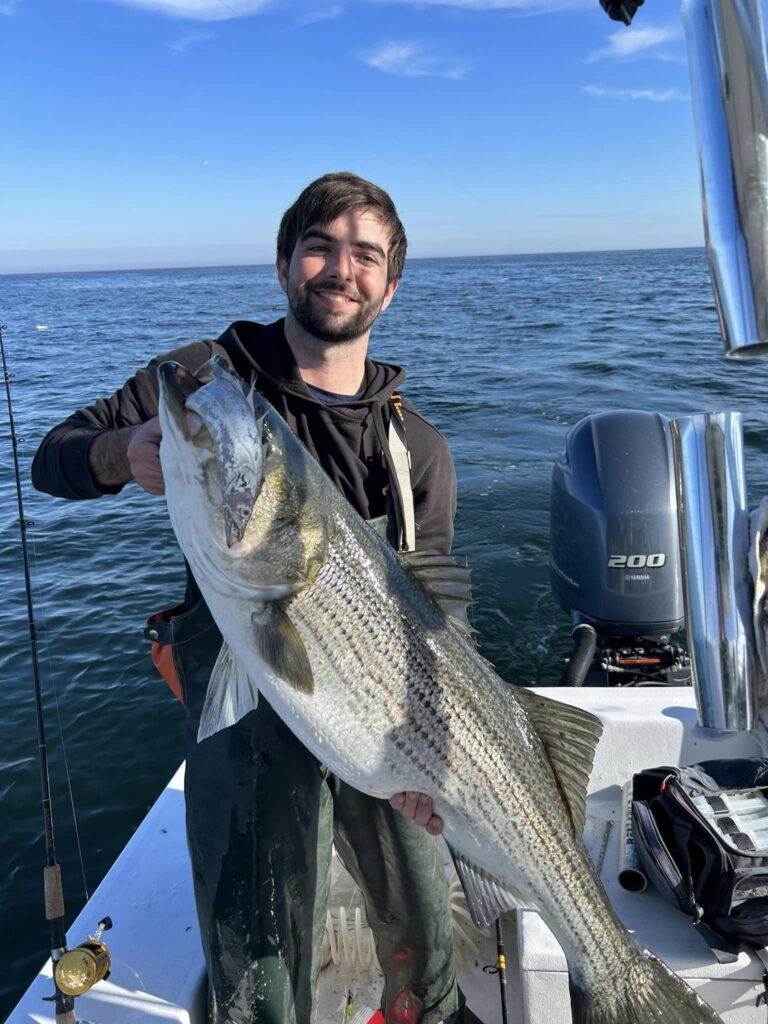
The Bay’s Spring Trophy Striped Bass season is going well, but be sure to check the regulations closely and note that these fish must be reported. Anglers are experiencing excellent striper action all over the lower Bay when they can get out. Top water action is the most popular method to entice fish exceeding the current 32-inch minimum size requirement, especially along the pilings and islands of the CBBT and the HRBT at dawn. Boats are also reporting catches of rockfish while bottom fishing for drum near Fisherman’s Island, with a few exceeding 44-inches. Kendall Osborne of Virginia Beach earned a state release citation with an impressive 44-inch rockfish caught on the fly while working the CBBT this week.

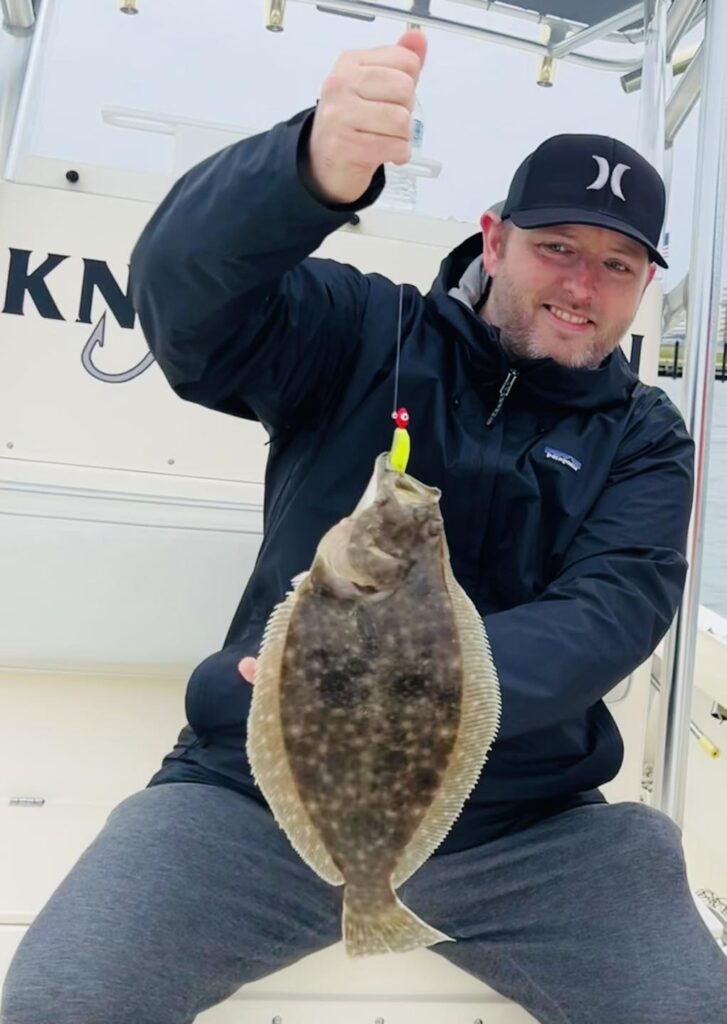
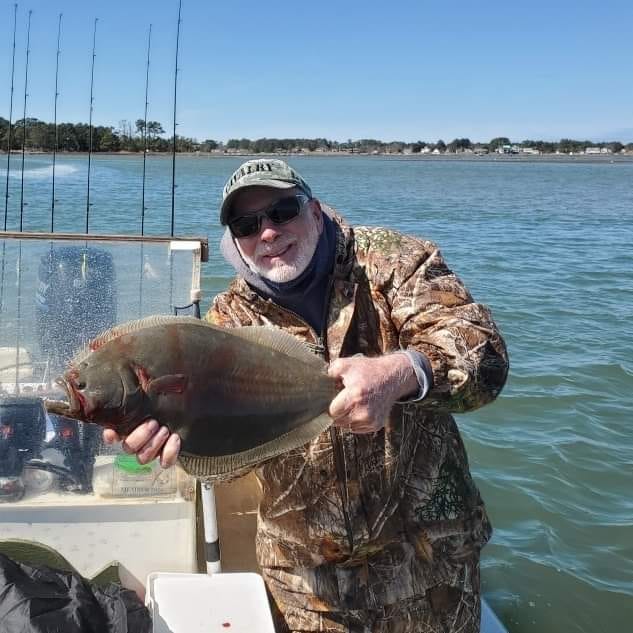
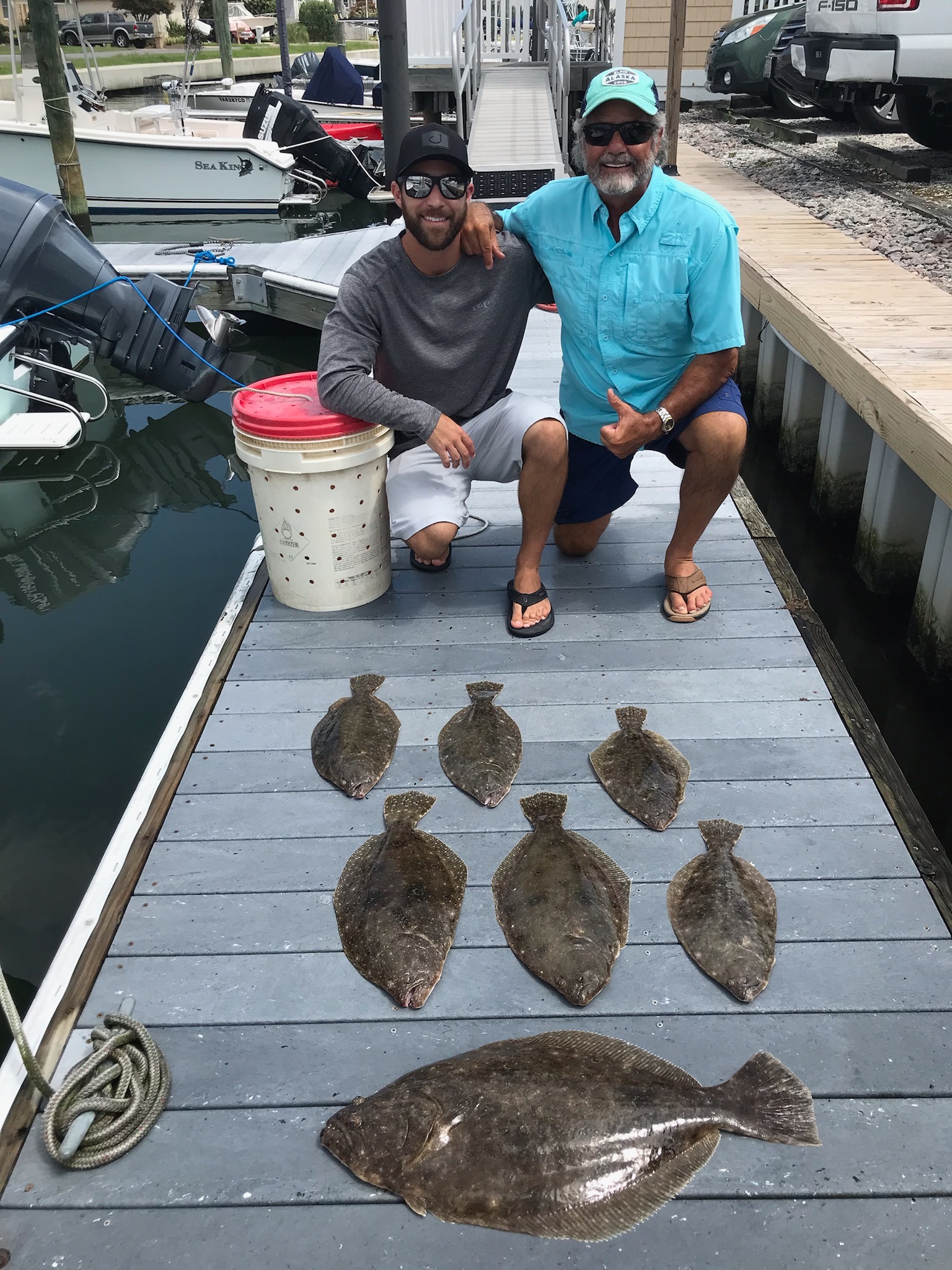
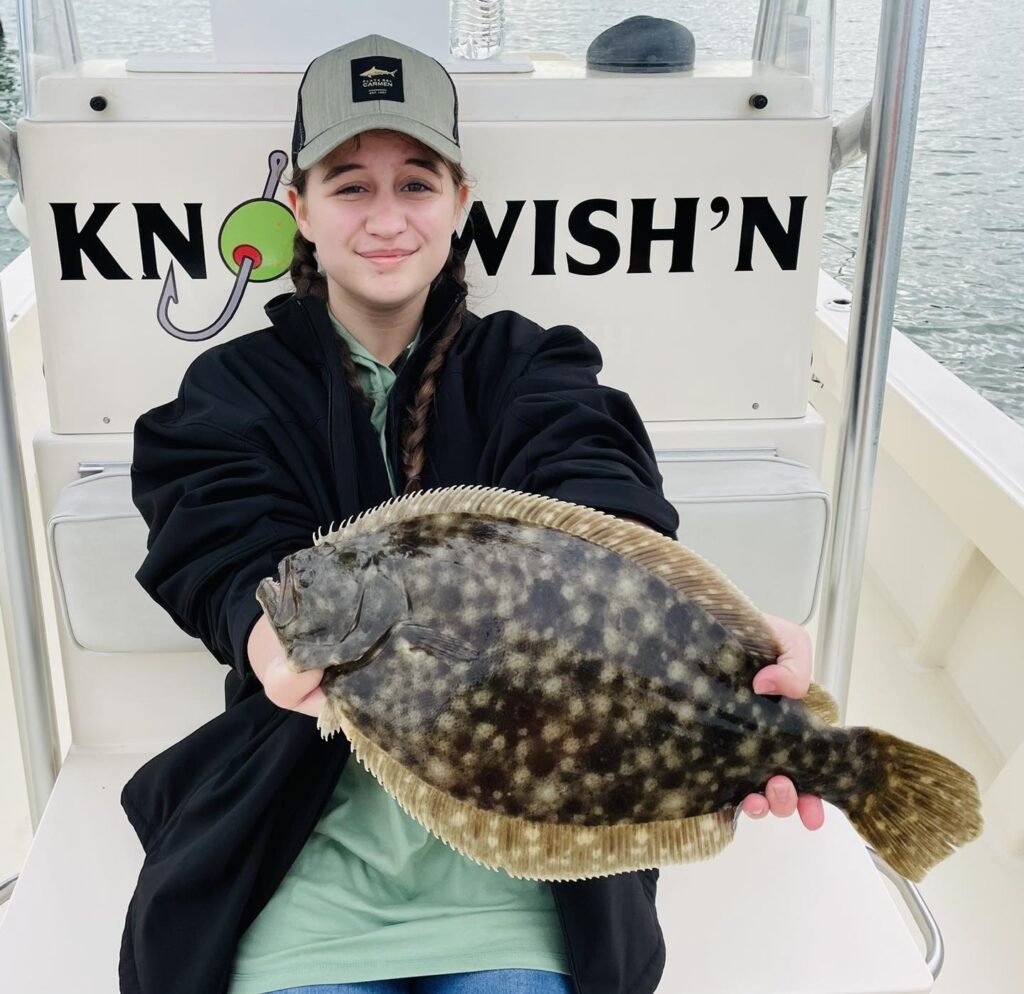
Flounder action around the CBBT still has room for improvement, and the recent cold front and heavy rain is not likely to help either. But anglers working the various lower Bay and Eastern Shore inlets and shallow backwater areas, are finding some keepers. Both Rudee Inlet and Lynnhaven River are providing some good fish, with a few flatfish ranging up to 23-inches this week. Limits of decent flatties ranging from 3 to 5-pounds are also still coming from the seaside inlets out of Wachapreague and Oyster.

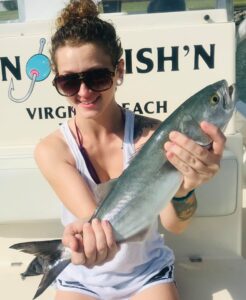
Bluefish are still the word along the Virginia Beach ocean front and inside Rudee Inlet where anglers are experiencing good catches of decent blues to around five pounds. The Virginia Beach Fishing Center reports that anglers are also catching good numbers of speckled trout within Rudee Inlet lately, with any color grub doing the trick. The Elizabeth River is still producing some speck action, and a few fish are also hitting within the Eastern Shore seaside inlets and the back waters of Oyster.

Surf and pier anglers are pulling small spot, sea mullet and medium-sized croaker out of the surf line off Ocean View and Little Creek. Nice-sized sea mullet are also still active on the Eastern Shore seaside inlets and off Kiptopeke. The big croaker continue to come from the James and York Rivers on squid and crab with decent hardheads in the 17-inch range filling coolers from near the Coleman Bridge, York River State Park, and the oyster beds near the James River Bridge.

Although most anglers are more interested in inshore species, the deep dropping scene will attract more attention when seabass become legal again on the 19th this month. As the dog fish begin to move out, more boats will target tilefish, black bellied rosefish and grouper along the Canyon edges once they can get out.

Offshore fishing will begin to improve this month as the action off Carolina moves northward. The fleets out of Oregon Inlet are finding yellowfin tuna, wahoo, and dolphin along with a few billfish in the mix.


Outer Banks NC Fishing Report


By Tony Spangler
Outer Banks NC Fishing Report Contributor

Outer Banks Report – Offshore – Inshore – Surf & Pier 

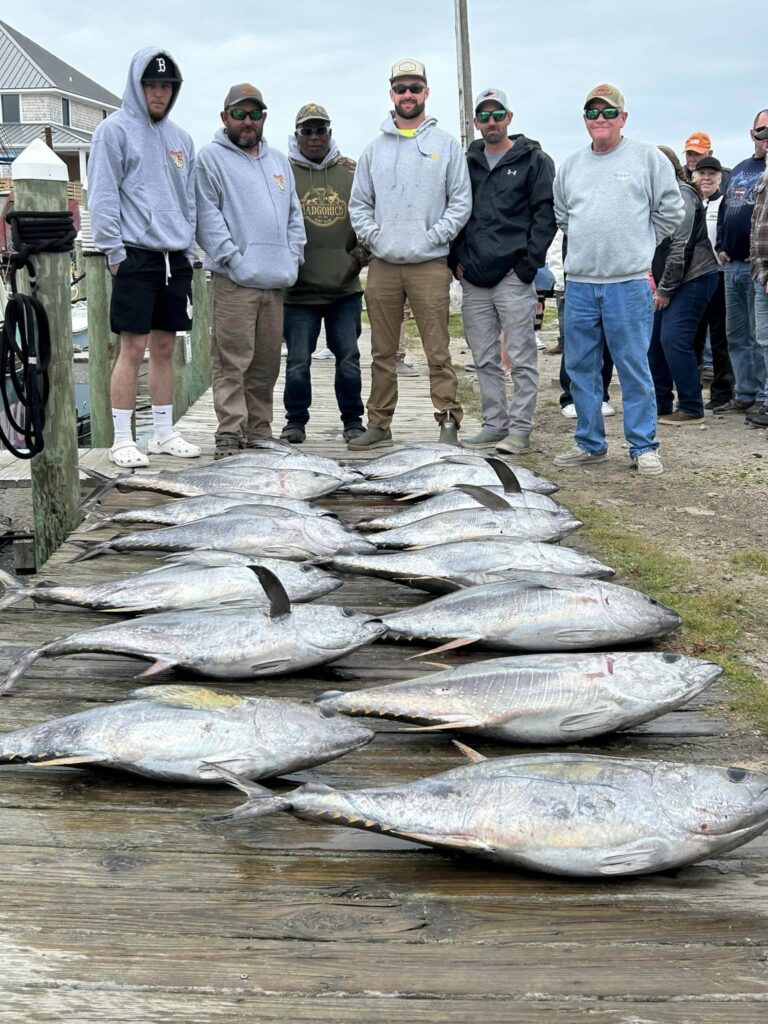
Fishing has been good for the Oregon Inlet offshore fleet this week. Signs of summer are here, with 79 degree water and gaffer dolphin along the grass lines. Most fishing has occurred south of Oregon Inlet toward Diamond Shoals. Boats are averaging 15 to 20 gaffers per day, with some fish in the 25 lb class. Closer to Oregon Inlet, the yellowfin tuna fishing has been a little inconsistent. Captain Elson Myers on the Canyon Blues said Saturday saw a nice temperature break and a good showing of yellowfin in the 35 lb to 45 lb class. The action occurred a little late in the day, and boats averaged half a dozen each to go along with their dolphin. Two blue marlin were caught this week out of Oregon Inlet, with a few more having been seen.

Off Hatteras there has been an excellent marlin bite over the past three days.  They’ve showed up just in time for the Hatteras Village Offshore Open.  Captain Rom Whitaker onboard the Release reported nice gaffer dolphin (pictured a 38 pounder that qualified for a NC state citation).  There has also been a fair number of wahoo and a few blackfin tuna hanging around.

Surf anglers fishing the northern Outer Banks are catching trout and bluefish.  Water temps are in the mid 60′s.  The Little Bridge on the Nags Head/Manteo causeway reported a really good early morning trout bite late last week.

The Pier rundown goes like this.  Avalon is catching skate, bluefish, and flounder.   The Nags Head pier checked in with a few flounder and 2-3 lb bluefish.  Anglers on Jennette’s caught blues on Got-chas, and a few ray and puffers on bottom rigs.  The Outer Banks pier is seeing schools of bluefish, but so far few have been decked.

Oregon Inlet inshore boats caught lots of bluefish and those fishing the trout holes did very well.

Big sea mullet and big pompano are showing down south along Hatteras beaches.  The sea mullets were being caught from ramp 44 to Avon and the pompano on ramp 43.  At “The Point” Friday the fishing was as good as it gets!  Huge schools of big bluefish along with lots of nice big red drum … dozens!
Inshore boats fishing around Hatteras Inlet are catching bluefish, spanish mackerel, big drum and yes the cobia are arriving daily.

Anglers taking the ferry over to Ocracoke are catching sea mullets and some gray trout in the morning, with larger fish showing on the incoming tide in the afternoon; nice big bluefish and yearling red drum up to 35″.  Inshore boaters departing Silver Lake continue to catch sea mullets, some trout, citation red drum, and big bluefish.

Tight-lines to all until we meet again!


Virginia Inshore & Offshore Report

By Dr. Julie Ball, VBSF.net fishing report contributor and IGFA Representative, Virginia Beach

Chesapeake Bay, Virginia Beach Offshore Report

With stiff breezes continuing this week, the spring Mid-Atlantic fishing scene is a little off since anglers are finding it difficult to reach the fishing grounds.

When boats can get out, many are taking advantage of the Spring Trophy Striped Bass season which kicked in this week. Stripers are providing a good alternative for those looking for some variety. Anglers working top water lures along the rocks at the islands of the CBBT are content with hits from fish exceeding the 32-inch minimum size requirement. Storm Lures cast around the pilings of the CBBT and the HRBT are also working well. Anglers can keep one fish per person over 32-inches right now.

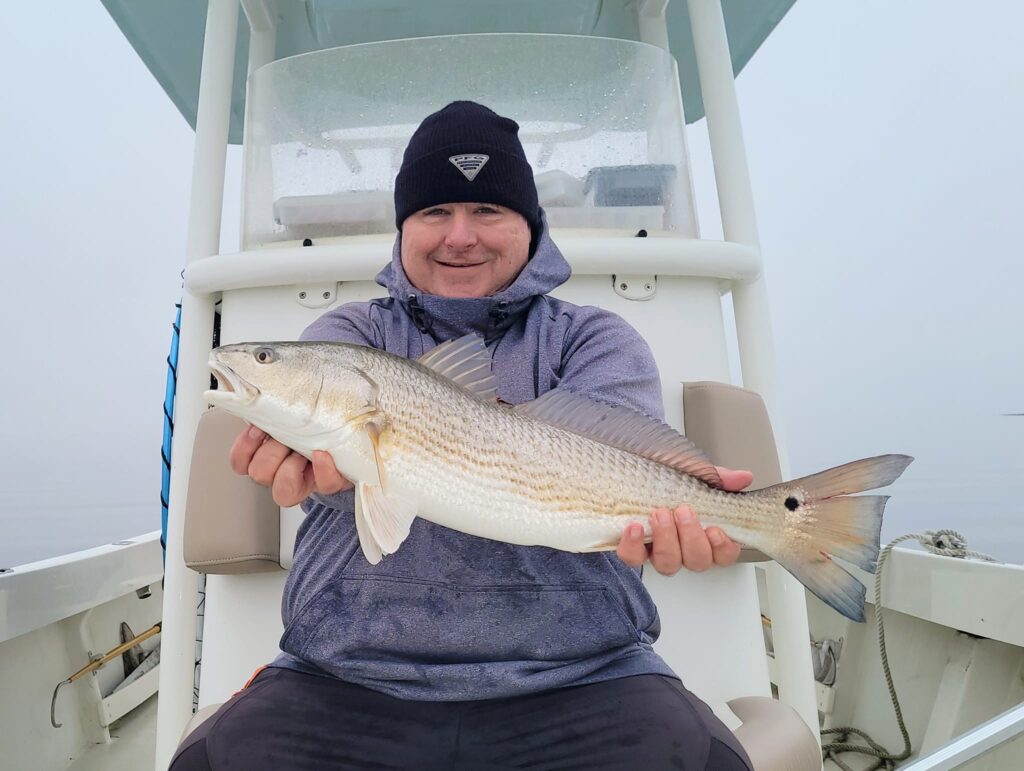
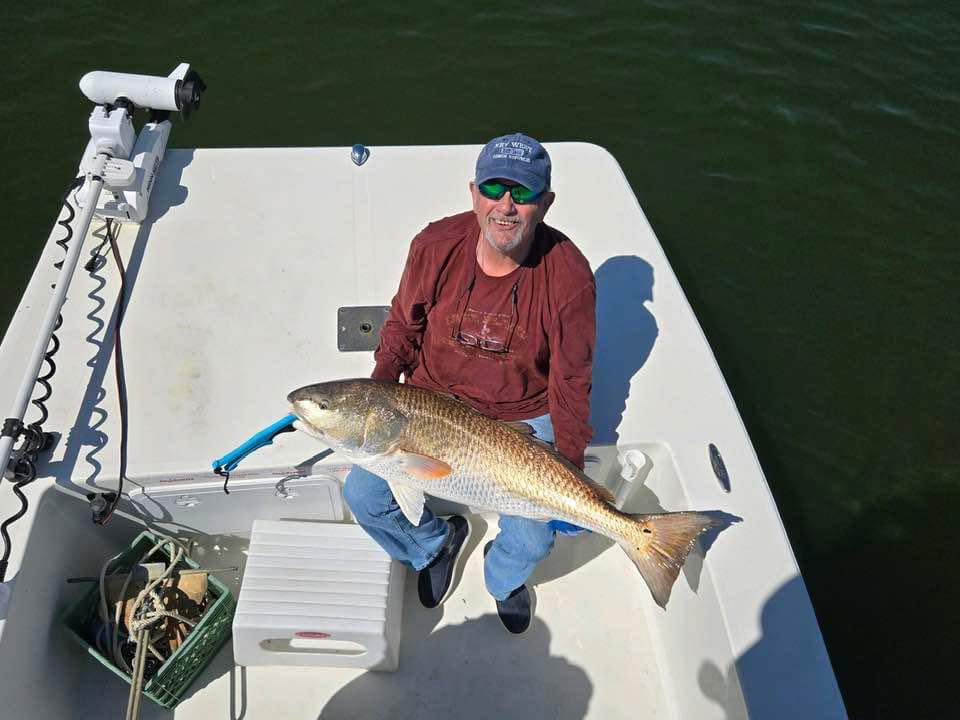
The biggest interest is still in the developing drum scene, and with the super-full moon at hand, a boost in the action seems eminent. Red drum are still providing some action among the shoals and breakers near Smith and Fisherman’s Island. The best action is still happening in the surf lines, where kayakers and surf anglers are taking advantage of this trend. Peeler crabs, blue crabs, and bunker fished on the Eastern Shore shoals and in the surf of the barrier islands will put you in the zone. These fish are fierce fighters, and can weigh in upwards of 50-pounds. Big stripers are also taking these same baits within the surf, with some rockfish pushing to around 40-pounds.

Larger black drum are becoming more active in the Eastern Shore seaside inlets and should begin moving onto the Latimer Shoal and the Cabbage Patch areas in larger numbers soon. This action will heat up over the next few weeks and the larger fish will become more common.

The flounder scene is still inconsistent within Bay waters and around the CBBT, but some folks are finding luck around the 1st and 2nd islands this week. The best numbers of keeper fish are coming from the Eastern Shore seaside inlets, and back waters of Oyster where most fish are ranging to around 20-inches. The folks at Chris’ Bait and Tackle also report that flatfish anglers are also catching a surprisingly high number of nice sea mullet in these same areas. Both Rudee Inlet and Lynnhaven River are providing some good fish, with a few flatfish ranging up to 5-pounds.

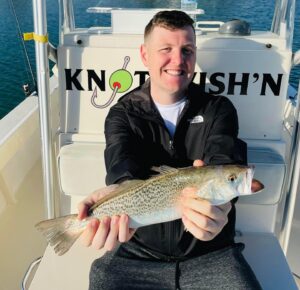
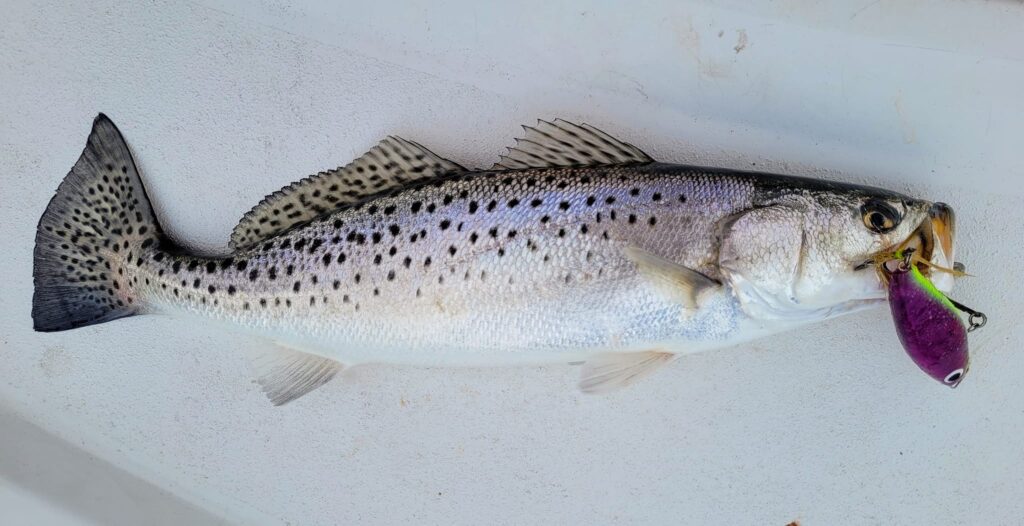
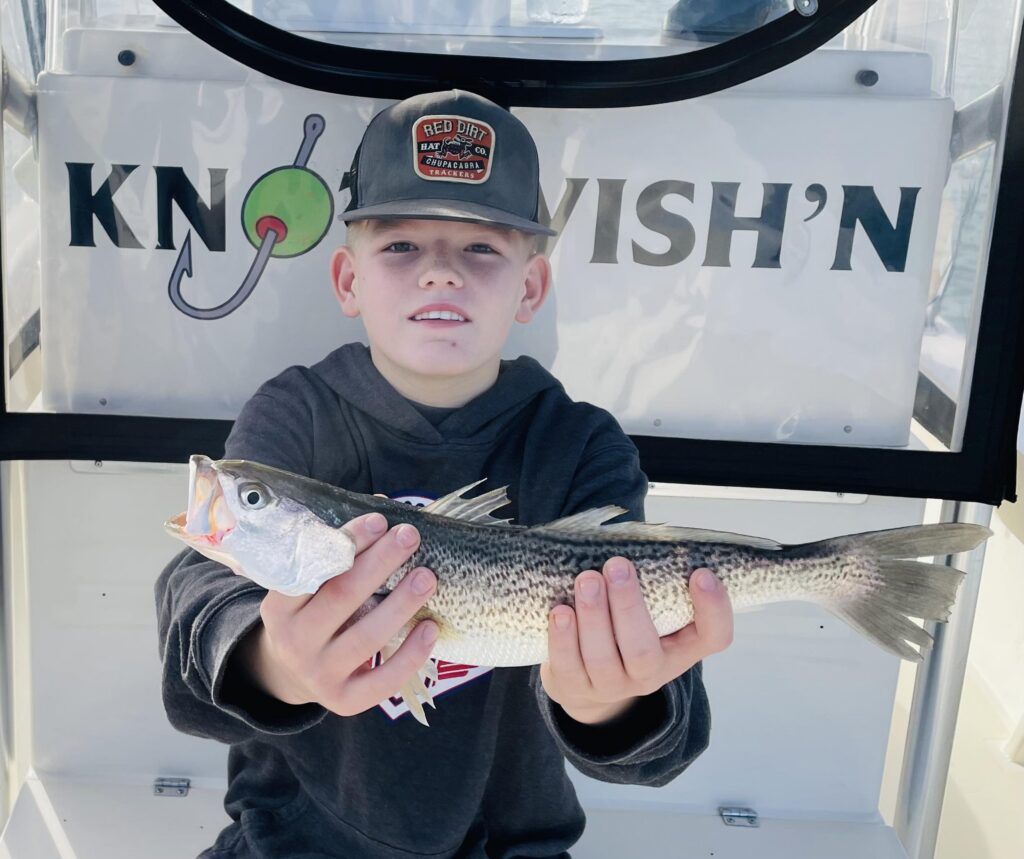
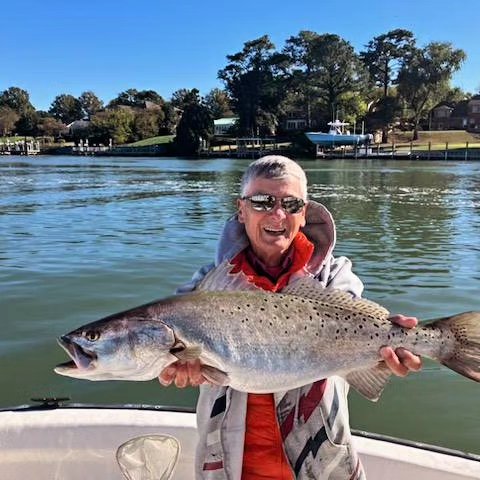
Speckled trout are also showing some activity within the Eastern Shore seaside inlets and the back waters of Oyster, with some topping 4-pounds lately. Folks working the Elizabeth River are also still finding a few keeper specks, along with healthy puppy drum. Speckled trout are faring well inside Rudee Inlet where anglers are experiencing good catches of healthy keeper-sized specks averaging to around 21-inches. According to The Fishing Center, anglers are also finding bluefish pushing to four-pounds within the Inlet and along the ocean front, along with a few gray trout and croaker.

Croaker are scattered around the lower Bay, but the best hauls are still coming from the James and York Rivers where squid and crab are doing the trick. Decent fish in the 17 to 18-inch range are biting from near the Coleman Bridge, York River State Park, and the James River Bridge. Anglers fishing from the Ocean View Fishing Pier are still filling coolers with nice croaker and big sea mullet ranging to over half a pound. Blood worms are the key for everything right now, with the night-time bite the best.

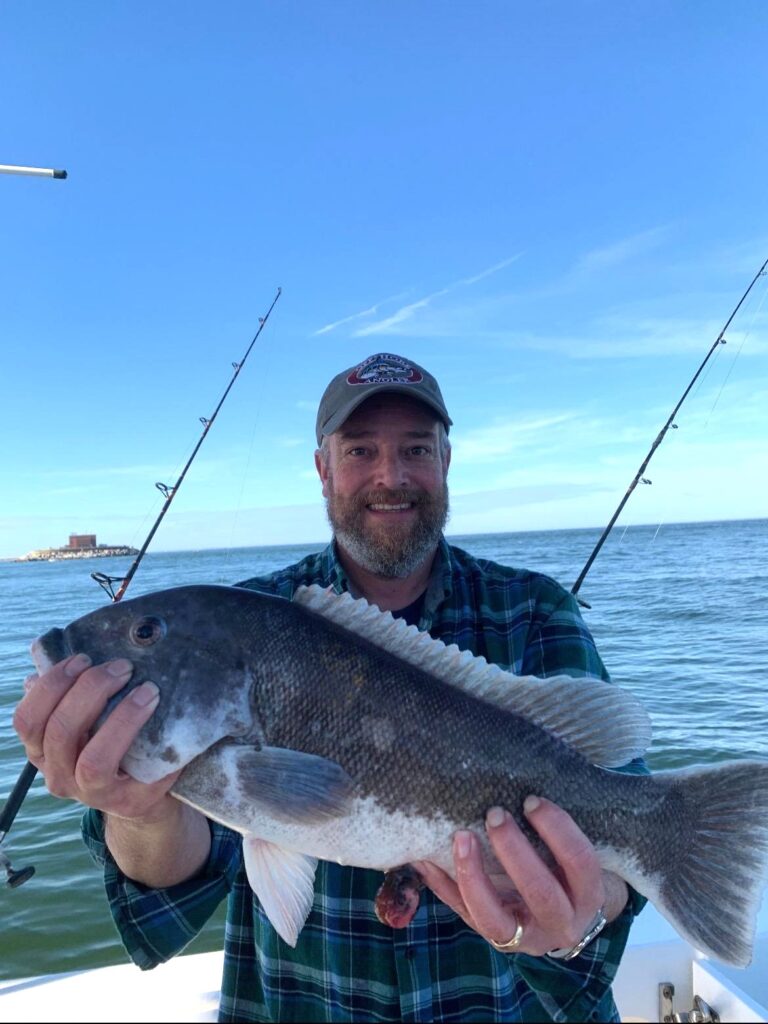
Blueline tilefish ranging up to 18-pounds, wreckfish, and other deep water species are still available in deeper water over 300-feet when the weather allows boats to reach them. The upcoming opening of seabass season on May 19th has many anglers excited about making the run.


Jack G Travelstead named commissioner of VMRC


Governor McDonnell Announces Additional Appointment to Administration

RICHMOND – Governor Bob McDonnell today announced an additional appointment to his administration under the Natural Resources secretariat, naming Jack G. Travelstead as commissioner of the Virginia Marine Resources Commission. He was sworn in today.

Jack G Travelstead

Jack Travelstead has served with the Virginia Marine Resources Commission since March 1, 1981. He has been chief of the Fisheries Management Division since 1984, and deputy commissioner since 2006.

Travelstead was appointed acting commissioner by Governor McDonnell on March 22, 2012, when former Commissioner Steven G. Bowman retired from state service.

He earned a Bachelor’s degree in Biology from Old Dominion University and a Master’s of Arts in Marine Science at the College of William and Mary. He resides in Toano with his wife, Ellen. The Virginia Marine Resources Commission serves as stewards of the Commonwealth’s marine and aquatic resources, and protectors of its tidal waters and homelands, for present and future generations. The agency manages saltwater fishing, both recreational and commercial, and works to create and maintain sustainable fisheries for the benefit of all anglers and the ecosystem. It also manages water bottoms in public trust for the citizens of the Commonwealth.